Keep purchase documents usable after the first outing
Connect receipt, model identity, instructions and service records so later questions can be answered from actual evidence.
Updated:
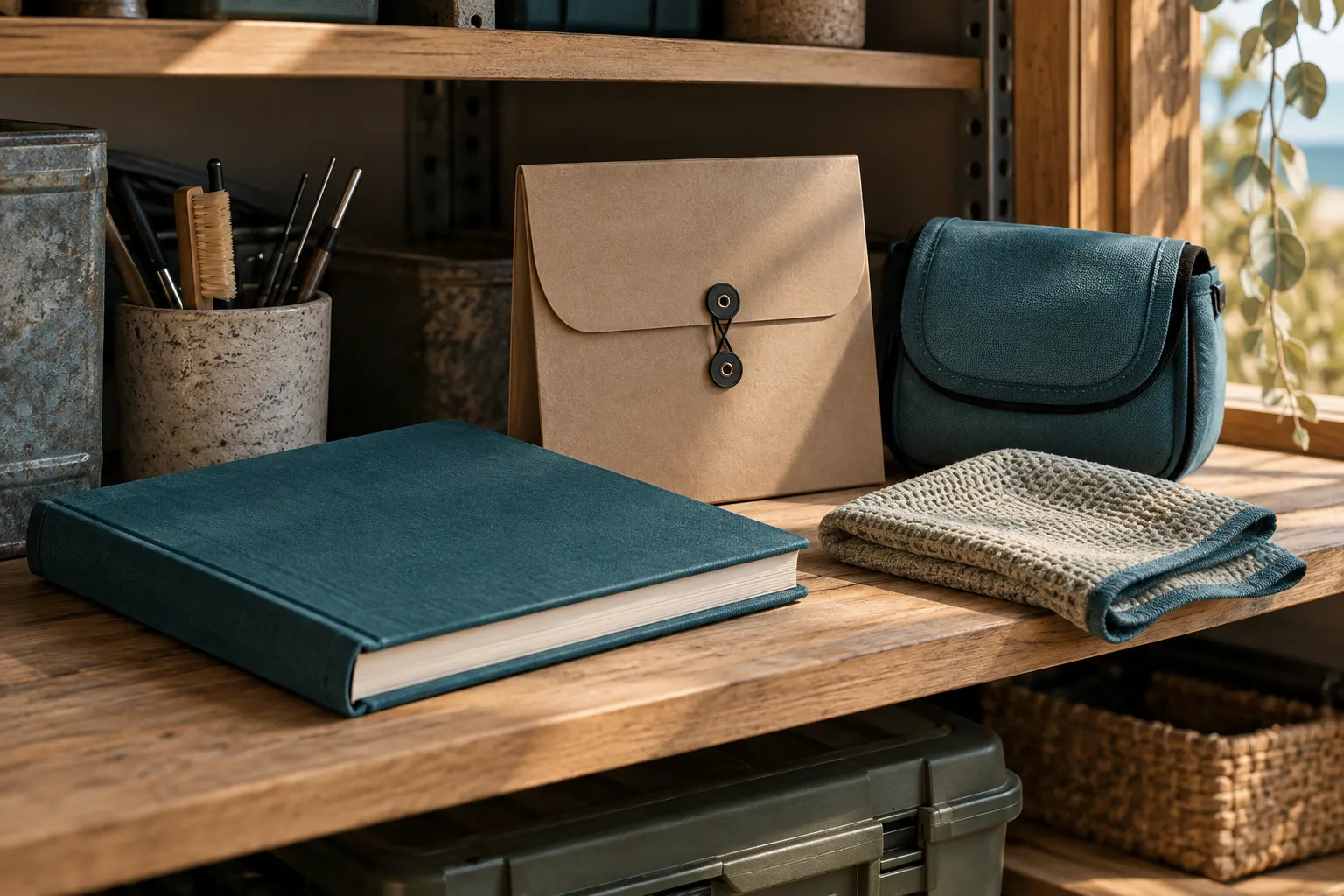
Make the receipt findable by exact equipment
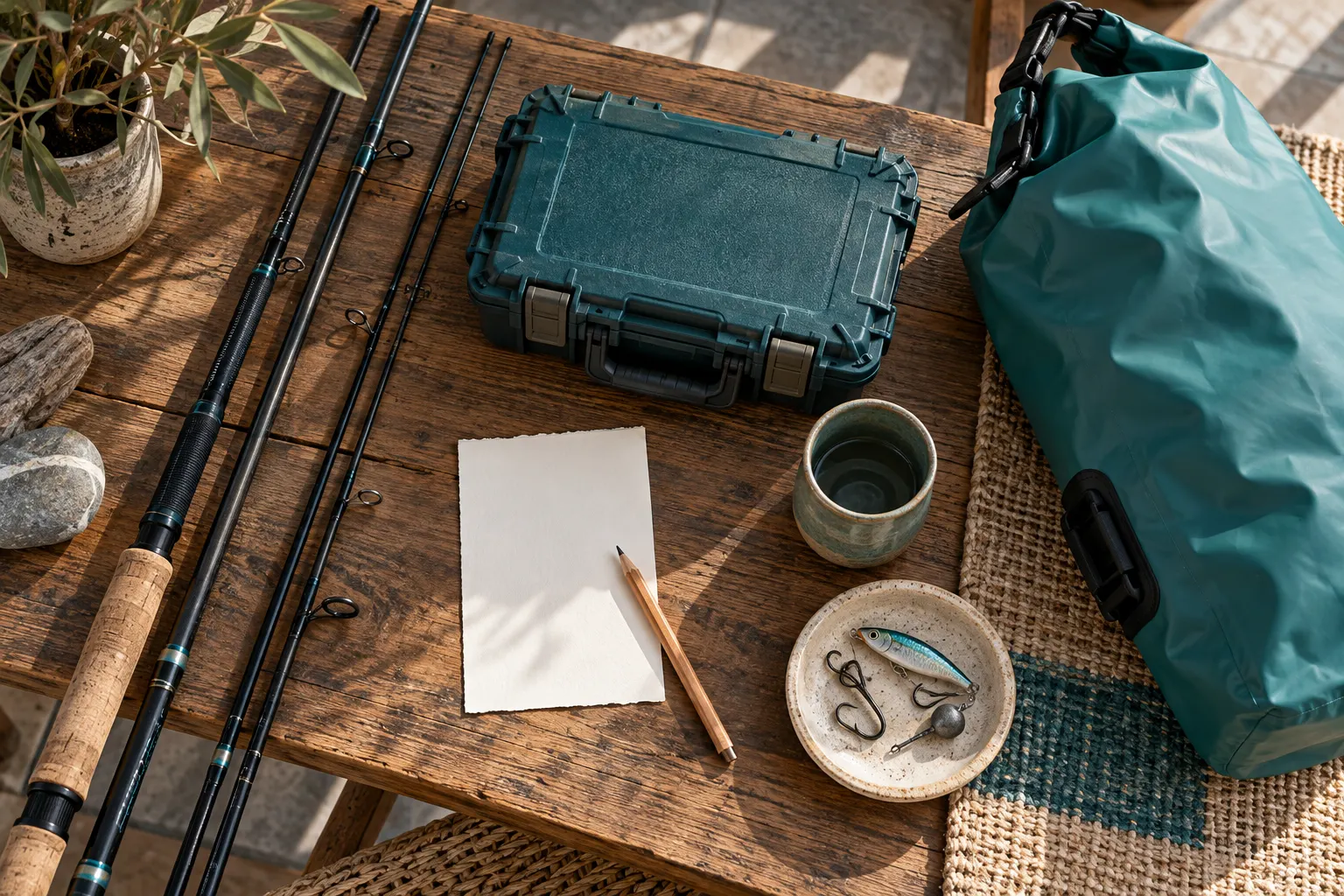
A purchase file is useful when it connects the transaction to the exact equipment you received. Keep the seller, date, order reference, model code and itemised receipt with current identification photographs. Preserve serial or other identifying marks privately where present. A product family image or a bank transaction alone may not explain the supplied configuration, so retain the accepted quote and written inclusions as well. This record does not create a warranty entitlement or guarantee a remedy. Its purpose is practical: when you contact the seller, manufacturer or service provider, the documents should identify the same rod, reel, paddle or accessory without relying on a remembered listing title.
ACCC warranties and consumer guarantees ? Daiwa Australia reel service process ?
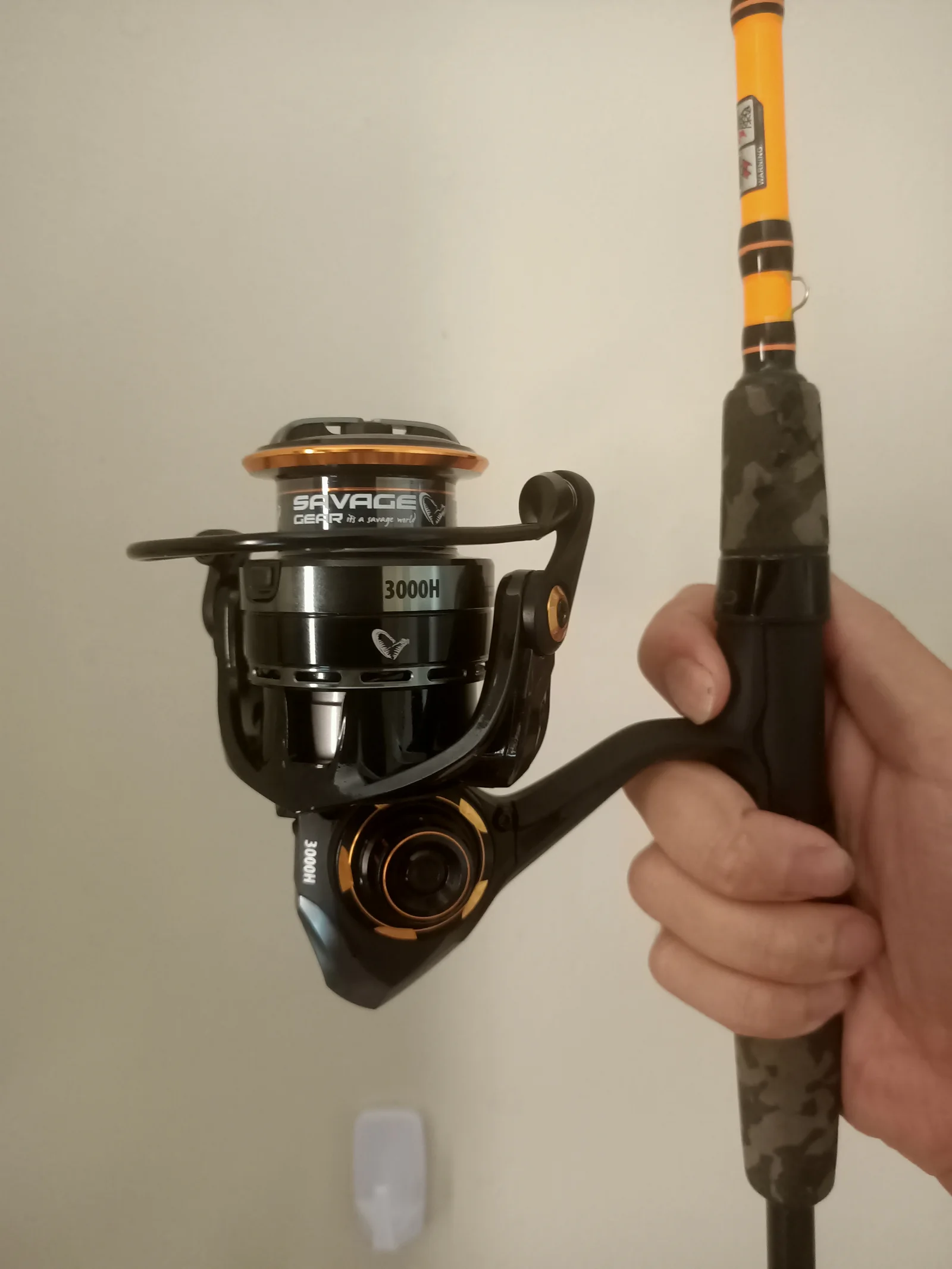
Keep the original instructions and later changes
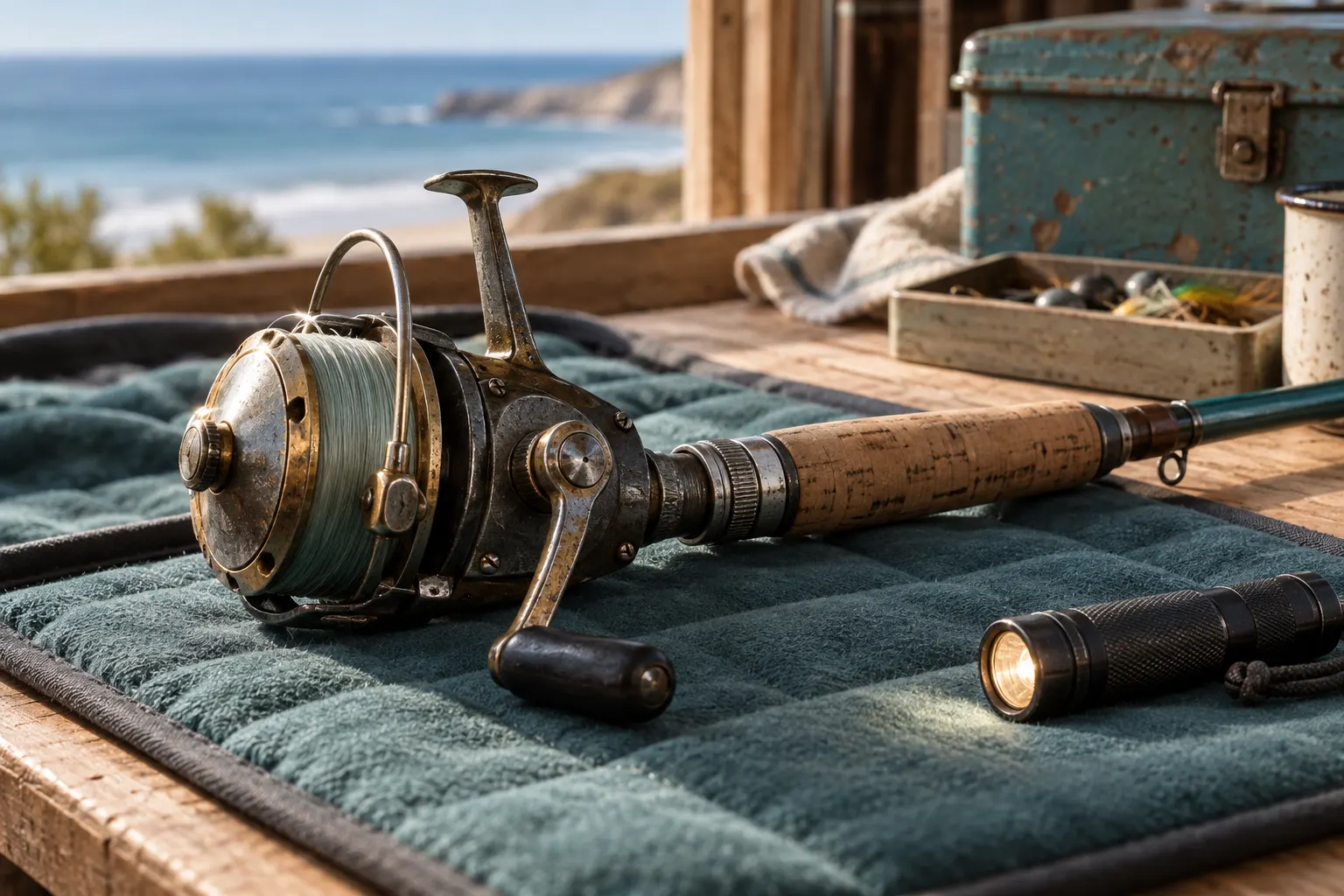
Save the applicable manual or official guidance with its version or retrieval date. If a replacement component changes the arrangement, add a new entry and preserve the previous record as history. Keep supplier advice that names the exact model and question, rather than turning a generic care article into an instruction for every product. For service, retain the job reference, assessment, authorised quote, findings and returned parts information where supplied. The current Daiwa Australia process describes assessment and a quote before work; verify its live terms before a new job. A past invoice or turnaround experience does not establish a current service price or guaranteed completion time.
Keep a simple historical cost ledger
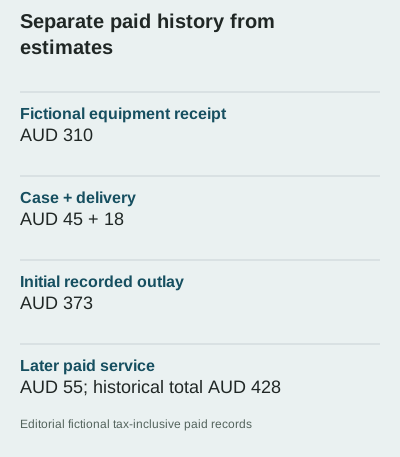
A fictional receipt lists equipment at AUD 310, a separately purchased case at AUD 45 and delivery at AUD 18, totalling AUD 373. A later separately confirmed service invoice of AUD 55 brings the recorded historical outlay to AUD 428. These are editorial tax-inclusive examples, not current prices or a forecast of ownership cost. Do not count a service quote as money already spent unless it was actually paid, and keep a refund or replacement transaction in its own dated entry. An accurate history can explain what happened without predicting future repair needs, resale value or the economic value of the equipment.
Preserve practical dimensions alongside documents
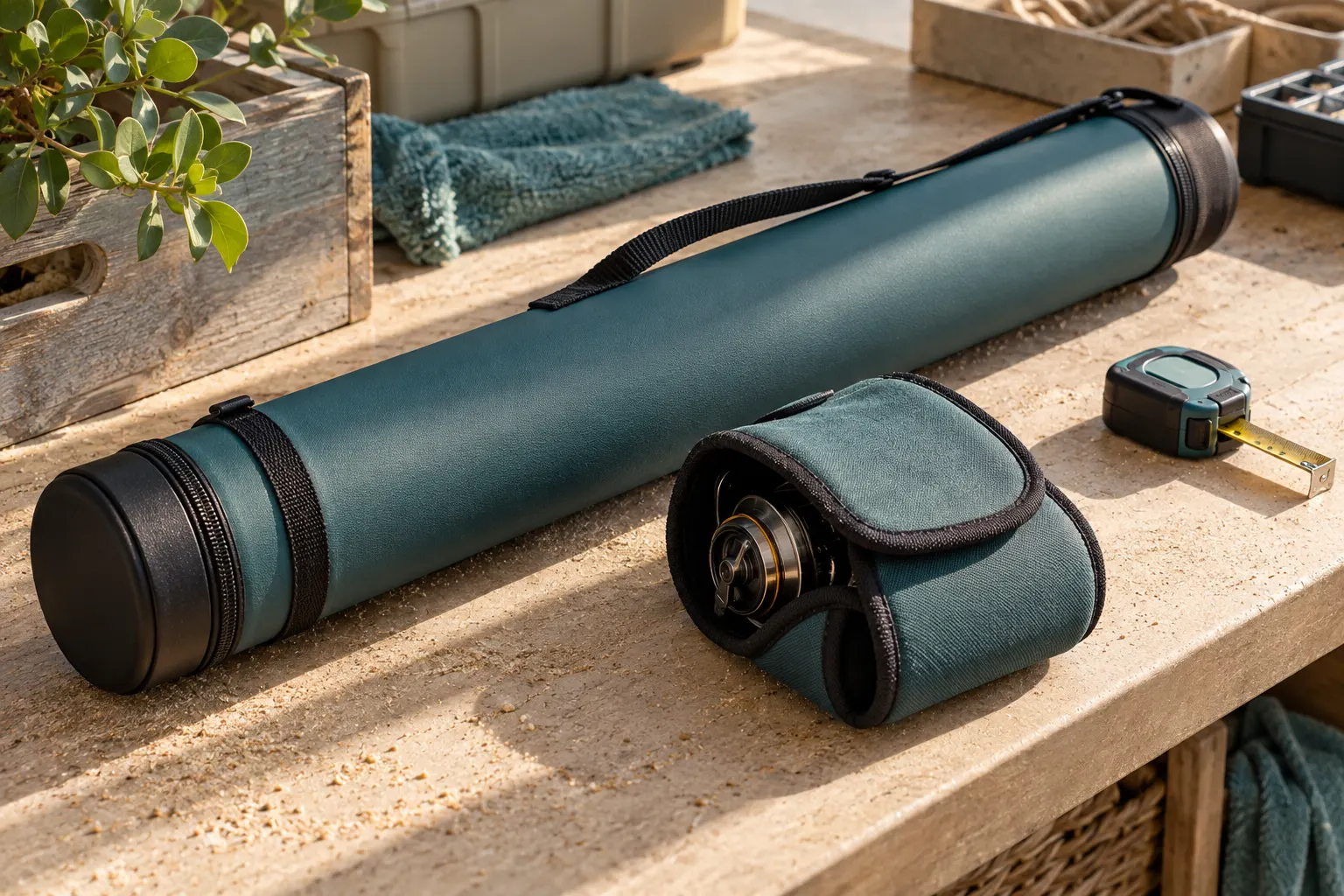
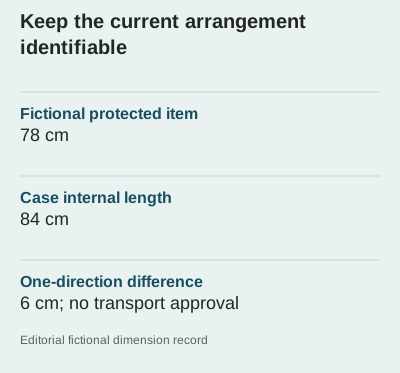
A file can also hold the current packed arrangement, making later storage or transport questions easier to ask. In a fictional example, the protected item is 78 cm long and its case interior is 84 cm, leaving a 6 cm one-direction difference. Preserve the source and measurement method with both entries. That arithmetic supplies no complete fit, padding or carrier approval. If you replace the case or component, recheck the actual arrangement rather than copying the old dimension into a new row. Keep external case dimensions and measured packed weight separate, because they answer different questions from the usable interior length.
Keep warranty wording in its proper scope
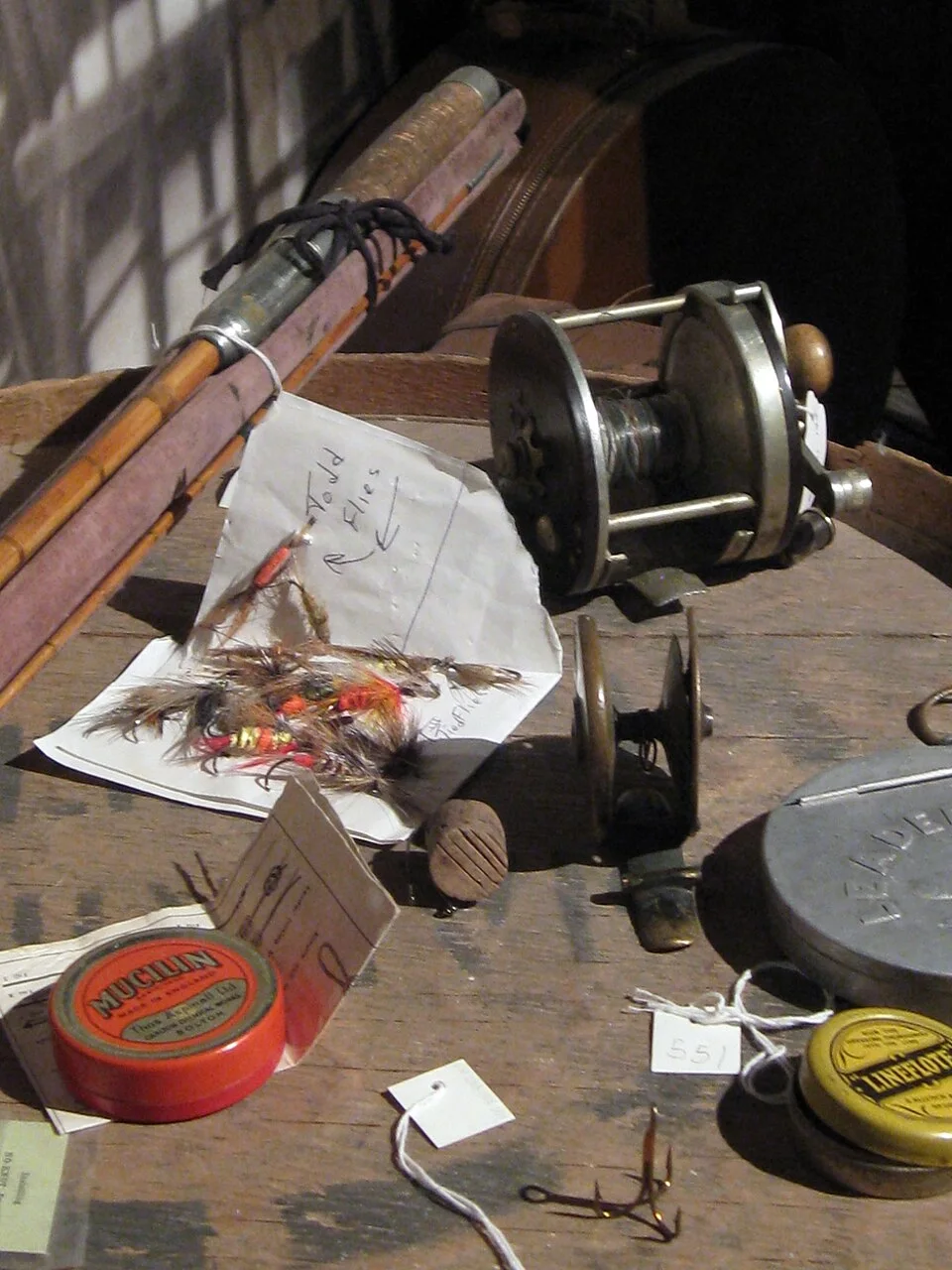
ACCC guidance explains that a business warranty is additional to consumer guarantees. Preserve the actual written terms without inventing a universal duration or assuming this article decides an individual claim. If a problem arises, use the relevant official guidance and contact the appropriate seller or provider with the actual documents. Store personal details privately and share only what is needed for the particular conversation. The diagrams show fictional historical costs and a length comparison, while the real photographs provide equipment context rather than evidence of the item you own. A well-kept file stays useful because it distinguishes confirmed documents, dated observations and open questions instead of assigning a permanent approved label to the purchase.
Open official source ? Open official source ?