Record a rod tube for a Qantas-operated itinerary
Keep the actual packed tube dimensions, operating-carrier conditions and ticket allowance in separate fields.
Updated:
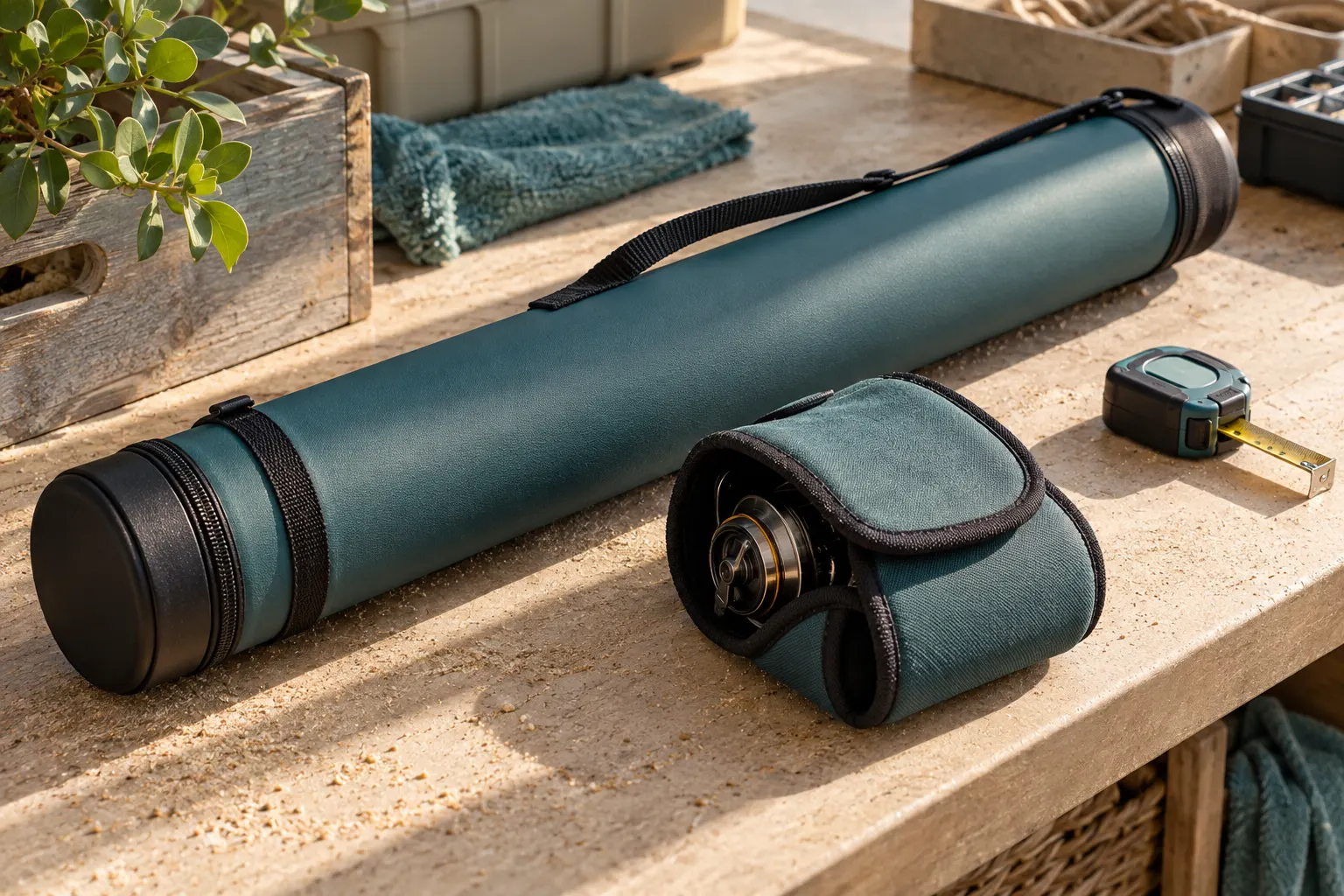
Use the operating itinerary, not a generic travel label
A rod advertised as travel friendly still needs a carrier-specific packing and allowance check. Record every operating airline, the actual service and the ticket’s baggage allowance before buying a restrictive case or assuming the rod travels free. Qantas’s sporting-equipment page has a fishing-rods section, but its conditions do not automatically apply to another carrier on a codeshare or a separate booking. Keep the equipment’s packed dimensions and the airline’s requirements in different fields. A positive length comparison is one piece of information, not acceptance. Ask the airline about the actual packed item and preserve its current response with the itinerary rather than relying on an old forum account.
Qantas Australian sporting equipment conditions ? NIST exact international length factor ?
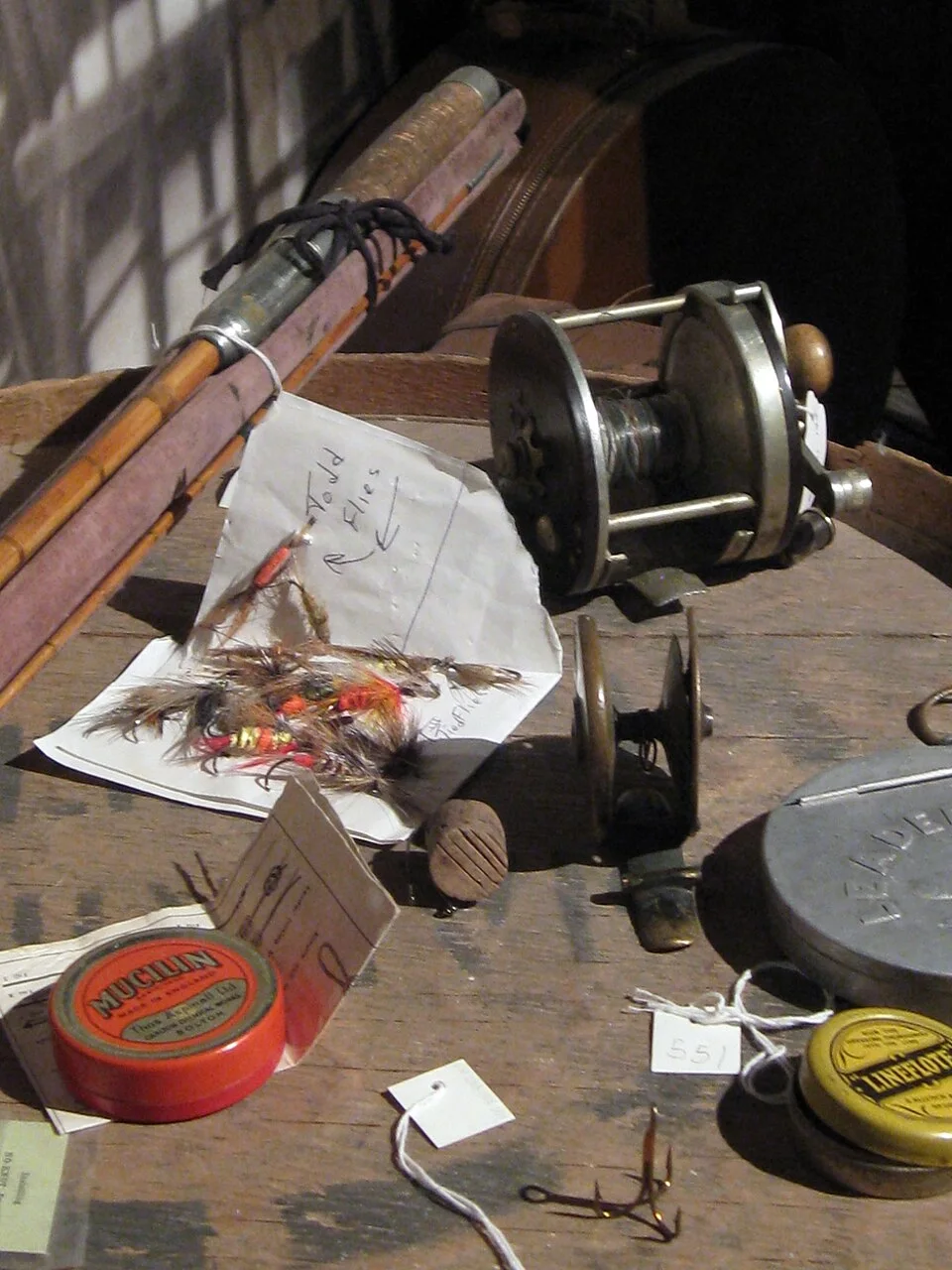
Read the Qantas scope precisely
Checked on 28 October 2026, Qantas’s fishing-equipment section calls for protection in a PVC cylinder with screw ends or the specified tubing alternatives, says rods must not be strapped to suitcases and gives a maximum length of 277 cm on Qantas-operated services. Its general checked-piece maximum is 32 kg, which is not the free allowance. Additional piece or weight charges and other conditions can still apply. Read the full current policy for the itinerary; this article supplies no packing fabrication or dangerous-goods instructions. A case seller’s assurance does not replace operating-carrier confirmation, and the quoted maximum should not be transferred to every aircraft or unrelated sporting item.
Measure the item and tube separately
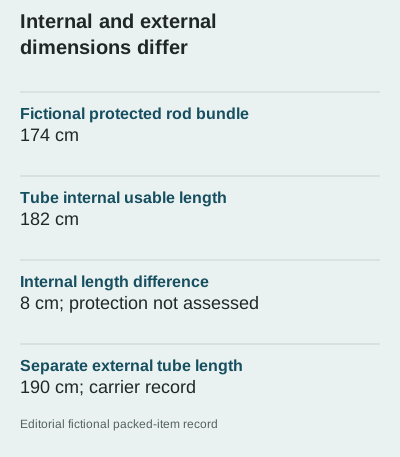
Keep a measured longest protected rod bundle, the tube’s internal usable length and its external envelope as separate entries. In a fictional example, the bundle measures 174 cm and the tube interior 182 cm, leaving an 8 cm length difference. The external tube is separately recorded as 190 cm. The first subtraction does not assess padding, guide clearance, closure, strength or damage protection; the external dimension serves a different airline question. Do not subtract an internal measurement from a carrier’s external limit as if they describe the same thing. Record the measurement method and included end protection so a later change in packing does not leave an obsolete value in the file.
Keep the complete weight and allowance record
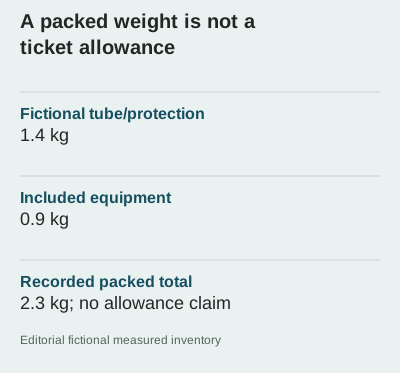
Weigh or obtain reliable information for the completed packed item, including end caps and contents. In a fictional inventory, a tube and protection weigh 1.4 kg and the included equipment 0.9 kg, totalling 2.3 kg. This is not an airline allowance or evidence that any equipment must be accepted. Count the pieces you intend to check and compare them with the actual ticket conditions separately. Preserve any advance-purchase baggage terms and delivery arrangements in the travel file. If the policy or response leaves the packed item uncertain, obtain clarification before committing to the journey rather than interpreting a small weight total as a general permission.
Save the answer that applies to this journey
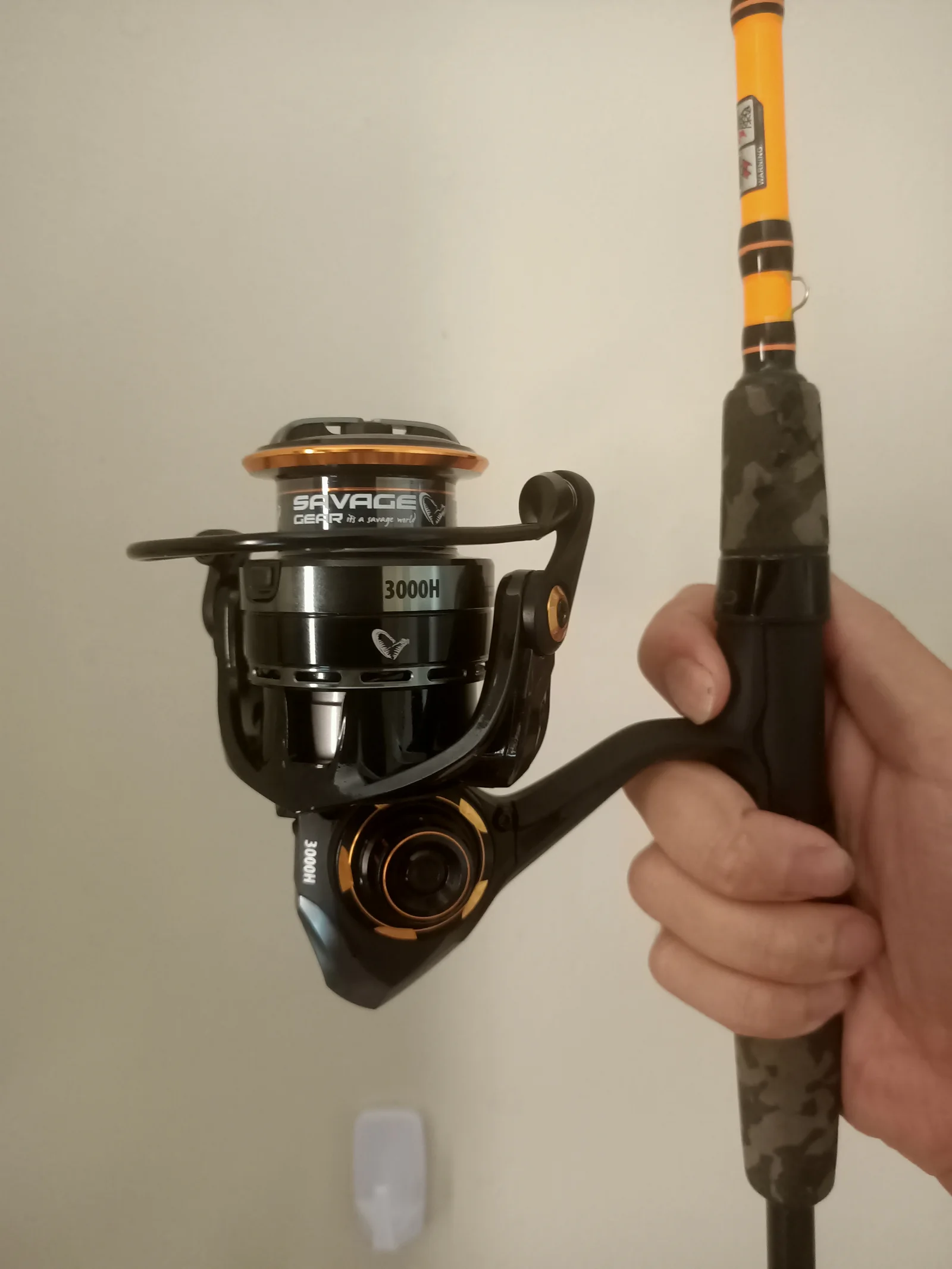
Keep the policy link, date checked, airline response and actual packed-item record with the booking. Recheck when the operating service, ticket, equipment or policy changes. The diagrams show fictional dimensions and weight addition only; neither provides a certified transport case or predicts handling outcomes. The real photographs are equipment context, not an airline-approved packing demonstration, and the cover is an AI concept. A useful record should let the carrier understand exactly what you are asking to carry. It should also make the remaining uncertainties visible, including other packed items whose conditions require separate official checks, instead of treating one rod-length field as approval of the complete bag.
Open official source ? Open official source ?