Gear ratio and centimetres per turn answer different questions
A gear ratio and a listed retrieve distance use different units and should stay in different columns.
Updated:
Do not rank unlike fields as one number
Gear ratio and retrieve distance describe different equipment fields. A ratio compares rotations within the mechanism; a distance per handle turn describes a length. Preserve the manufacturer’s original heading and units rather than choosing whichever number looks larger. The exact reel variant matters because a family can include different gears and spools. If a listing gives a ratio without a retrieve figure, leave the missing distance blank until the relevant documentation supplies it. A ratio alone is not a complete basis for calculating line pickup, and neither field tells you the cadence of a particular lure or a result on the water.
Daiwa 23 EMERALDAS RX model-specific specification ? NIST exact international length factor ?
Keep the named variants and units visible
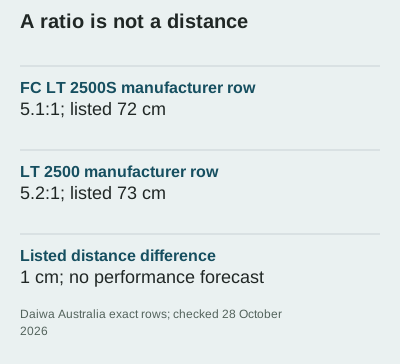
The Australian 23 EMERALDAS RX FC LT 2500S table gives 5.1:1 with 72 cm in its gear field; the LT 2500 gives 5.2:1 with 73 cm. These manufacturer-listed values were checked on 28 October 2026, not independently measured. The difference between the listed distance values is 1 cm. That small arithmetic comparison should not become a claim of a meaningful performance improvement. The conditions behind a published specification, the actual spool arrangement and how equipment is used still matter. Keep the exact row nearby so a later reader can see that the ratio and centimetre value were copied as separate parts of the manufacturer’s entry.
Label an illustrative multiplication honestly
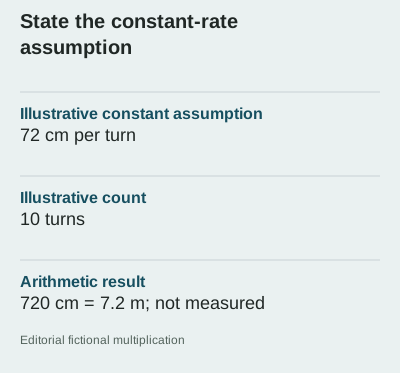
Suppose a worksheet uses a fixed illustrative value of 72 cm per turn for 10 turns. The entered multiplication gives 720 cm, or 7.2 m. This is a constant-rate arithmetic illustration, not a measurement of line retrieved by an actual reel over those turns. It does not account for a changing spool fill or establish the manufacturer’s test method. Write the assumption beside the result, not in a distant disclaimer. If you need an actual observation, record the setup and method separately and follow equipment instructions; do not silently relabel a calculation as a tested distance. A precise decimal does not remove the difference between those two records.
Bring the comparison back to the exact offer
When comparing sellers, check whether their entries identify the same suffix, handle arrangement, spool and supplied parts. A copied family description may contain specifications for a different variant. Ask the seller to confirm the manufacturer row that applies to the offered item, especially for a used reel or a changed spool. Keep manufacturer information and seller claims in distinct columns so that disagreement remains visible. If one page uses inches and another centimetres, preserve the original number as well as the converted value and factor. The conversion is an aid to reading the documents, not verification that either listing describes the delivered equipment.
Store the assumptions with the result
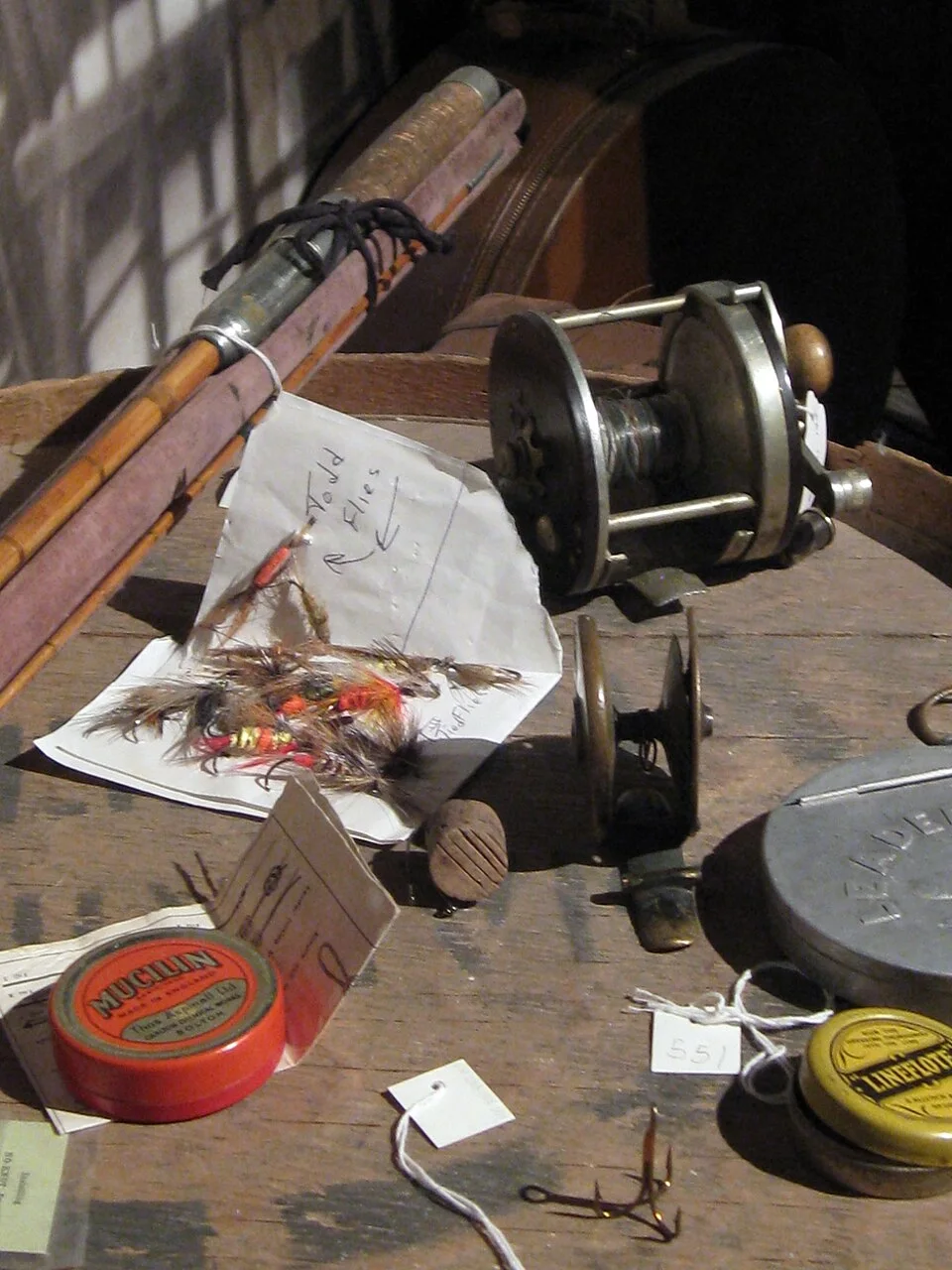
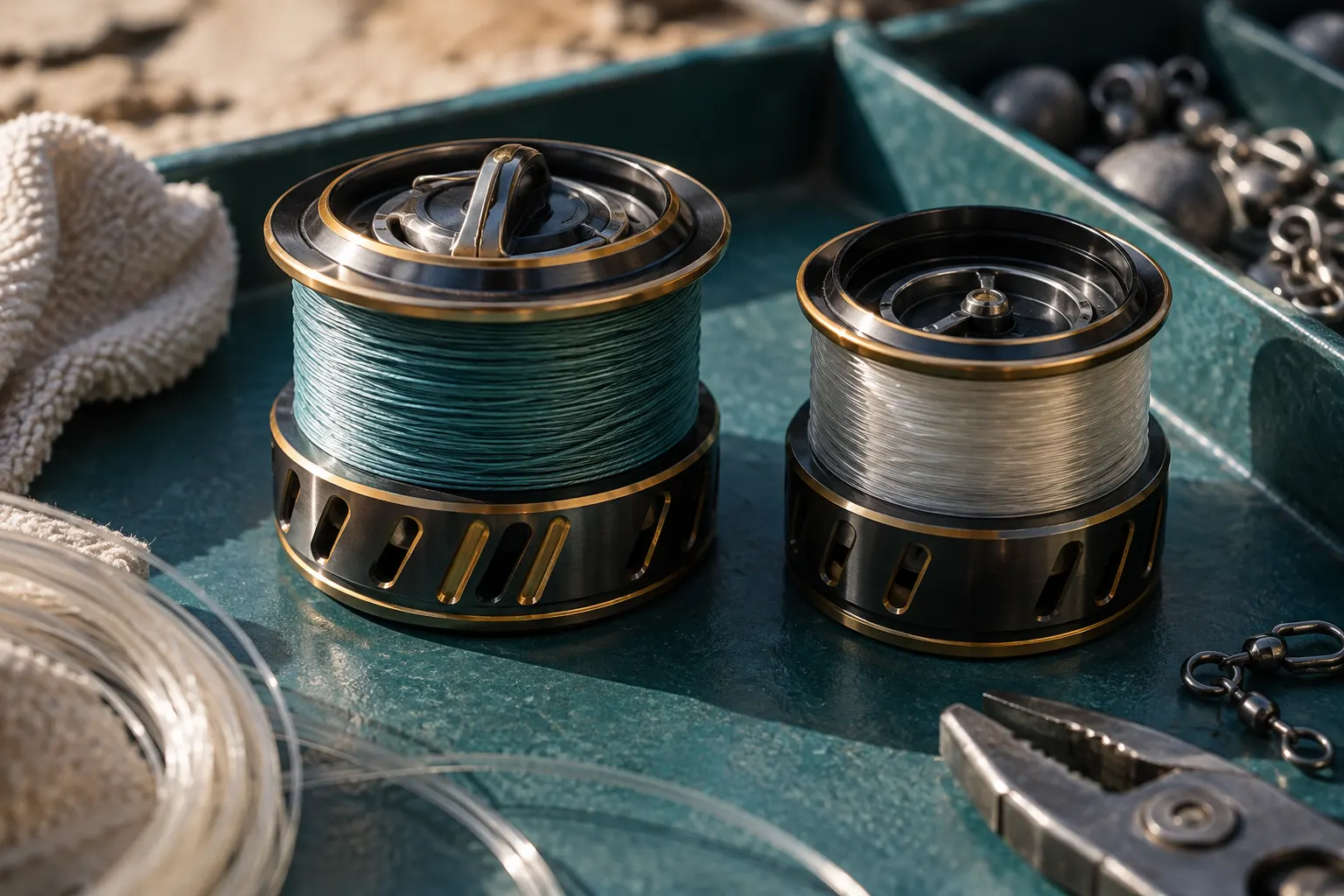
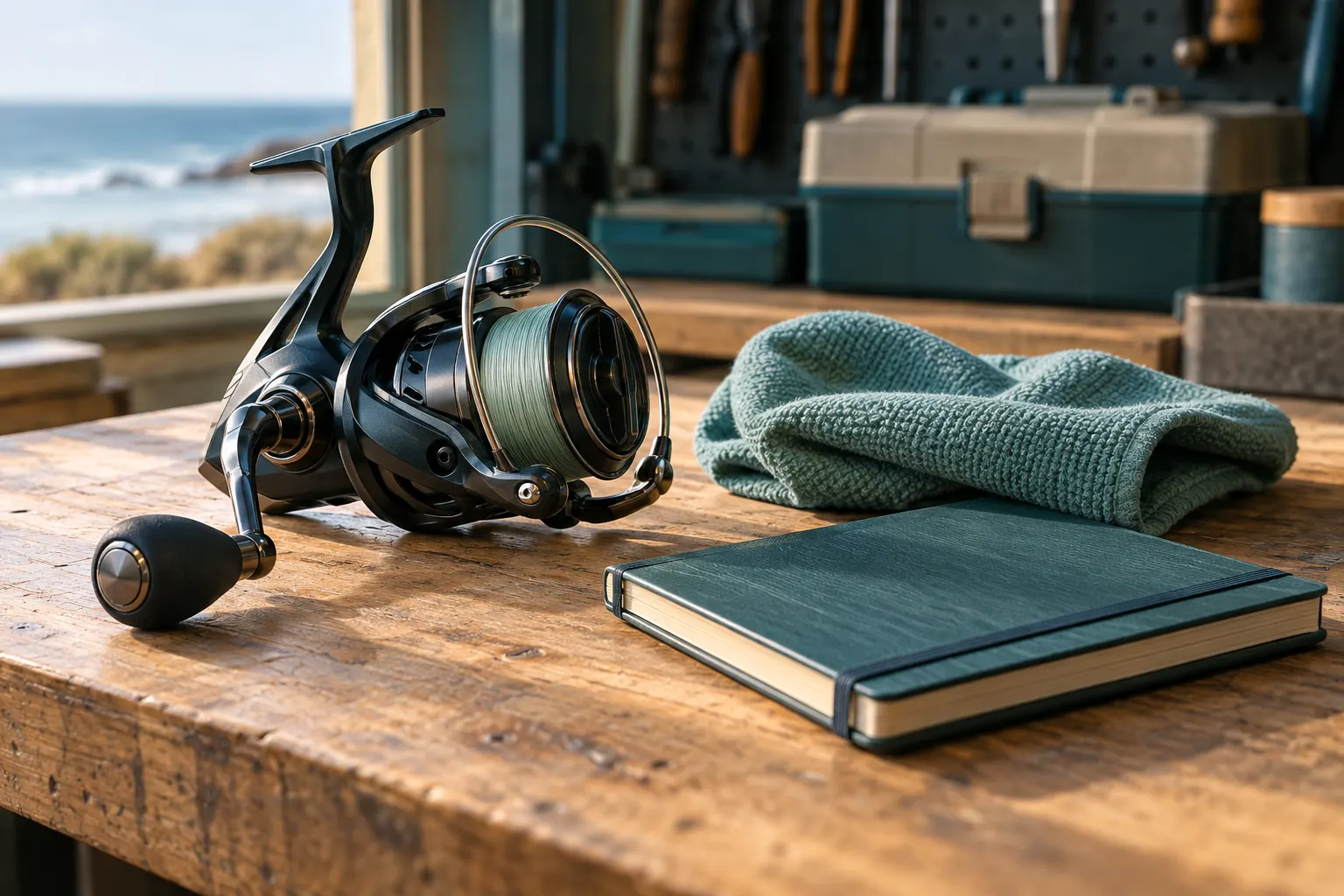
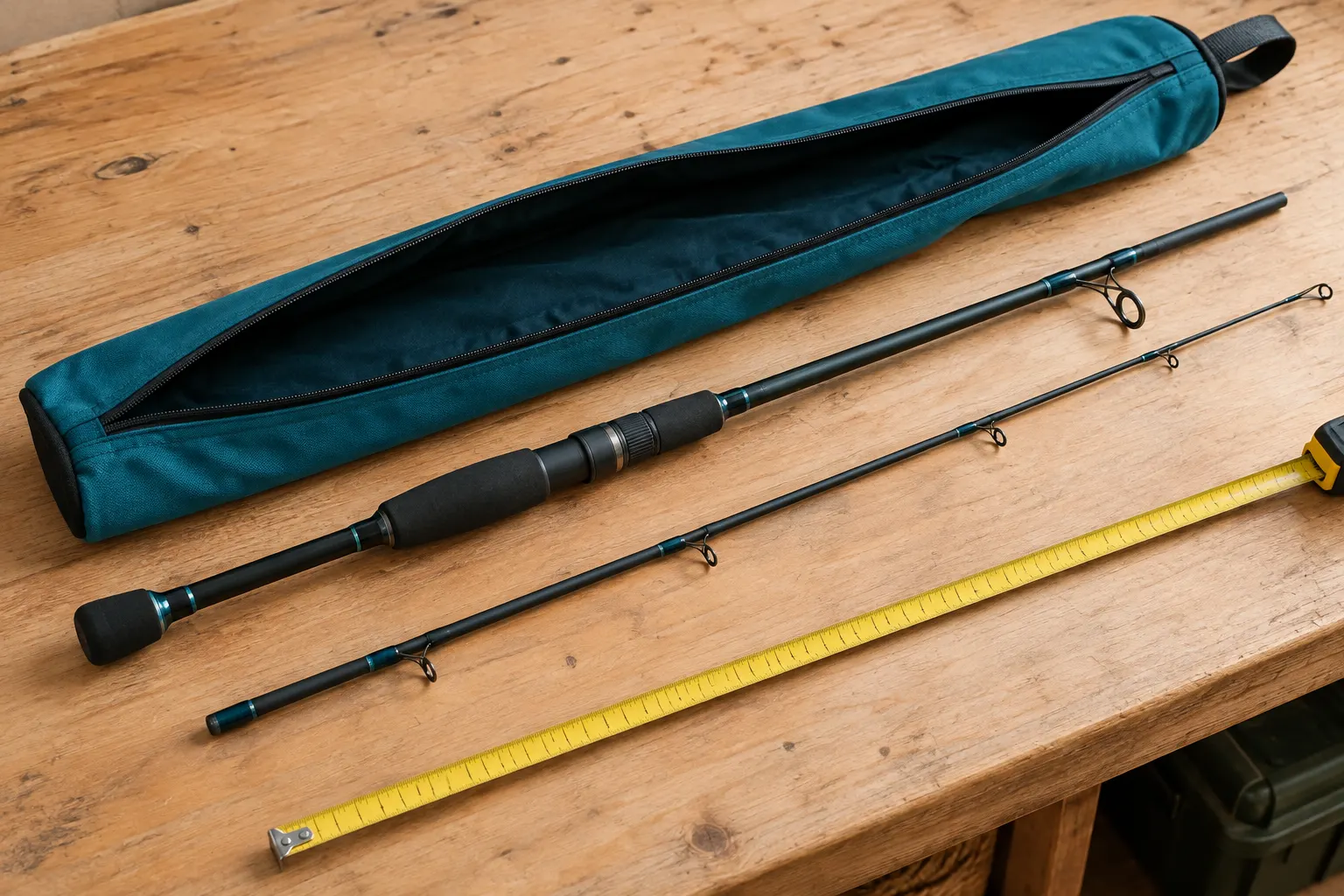
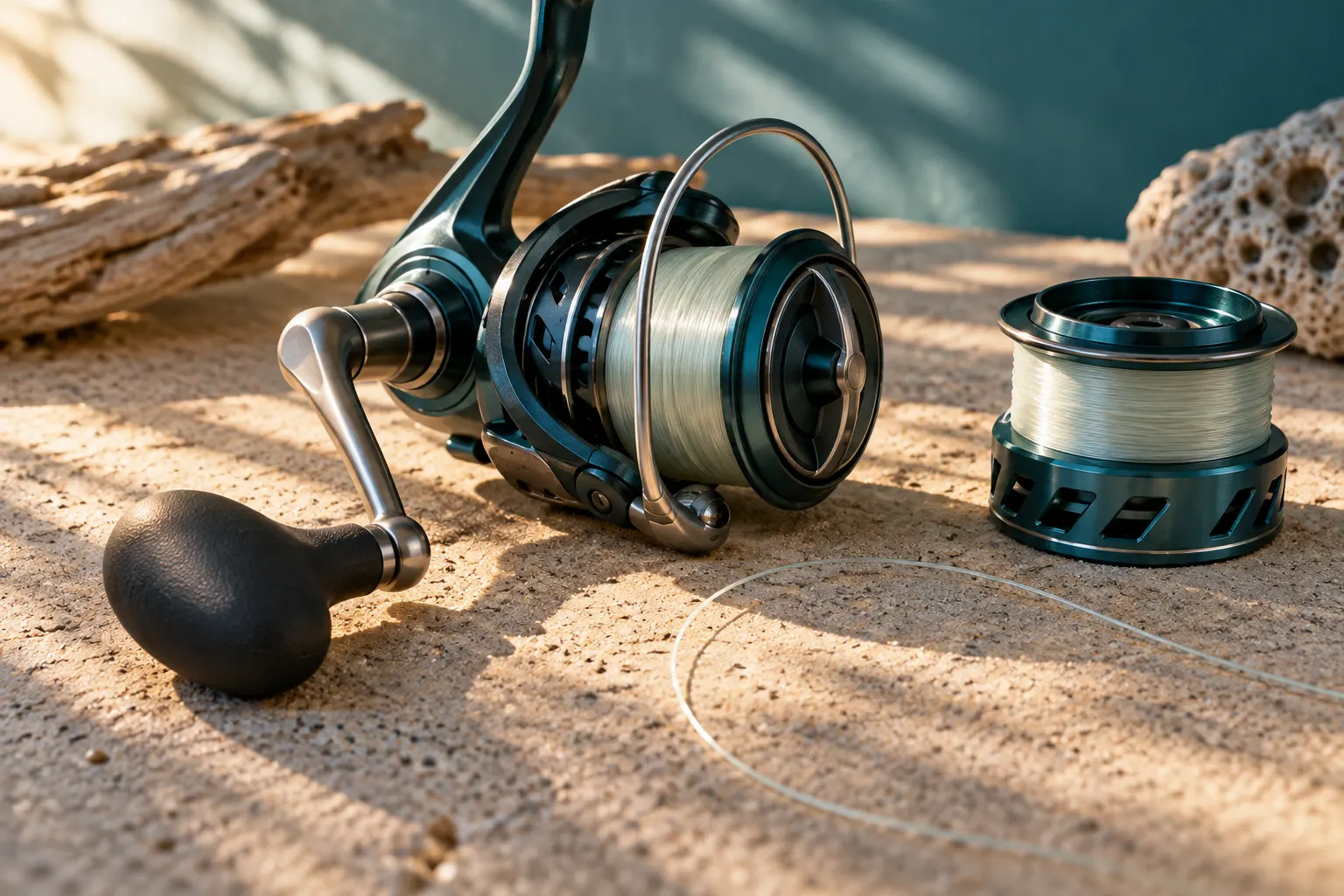
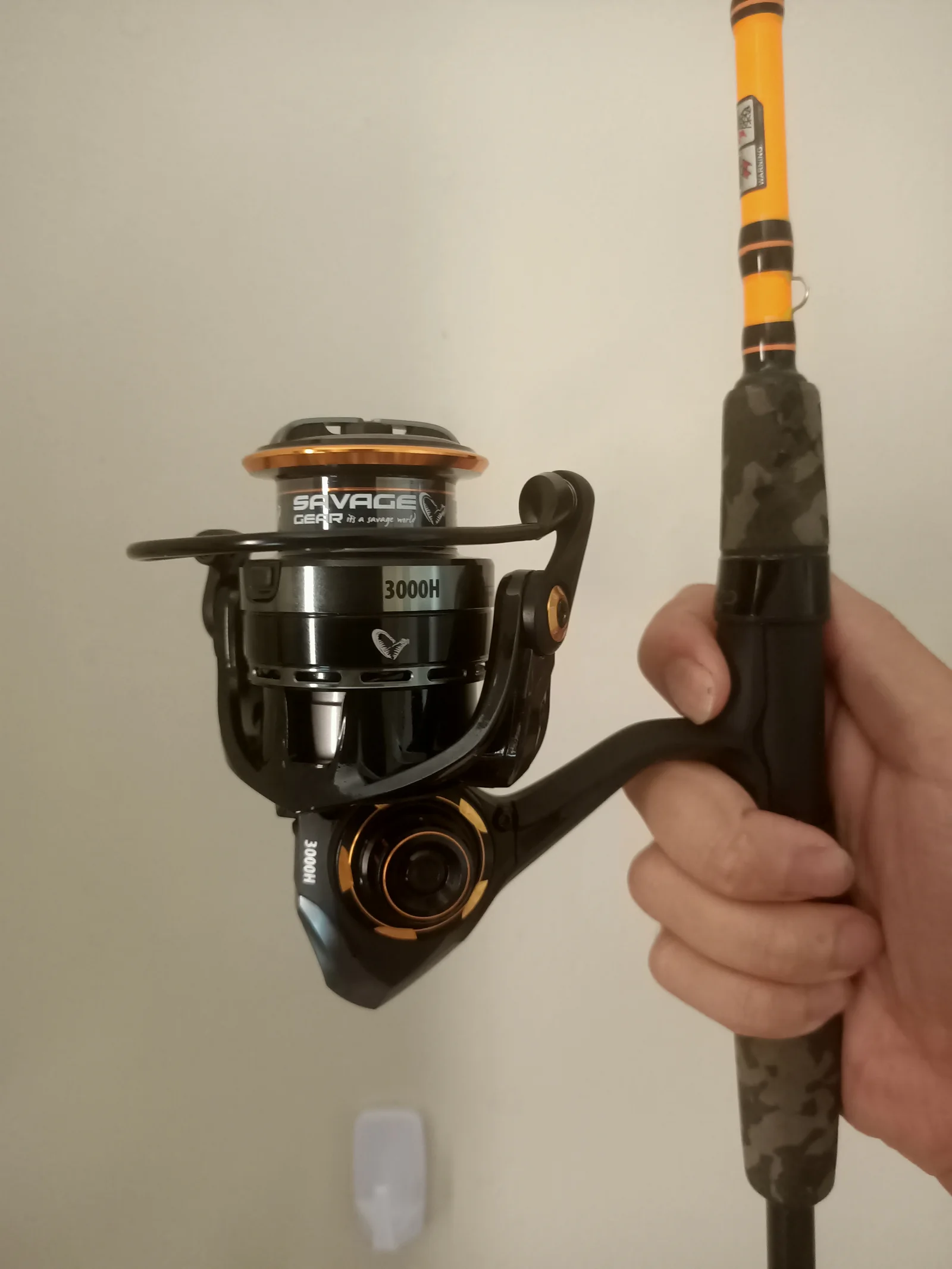
A useful equipment file records model, source date, ratio heading, listed distance heading and any explicit calculation assumptions. It does not need a universal fast-versus-slow recommendation. Decide what further information you need from the retailer or manufacturer before purchasing, then retain their response with the order. The figures below explain why a ratio, a published length and a fictional multiplication deserve separate labels. Actual photographs provide context for reel components only; they are not our measurement of the named models. Revisit the record if a component changes, and avoid transferring an old retrieval entry to a new spool simply because the reel body still looks familiar.
Open official source ? Open official source ?