Rod length and packed length: record both before buying
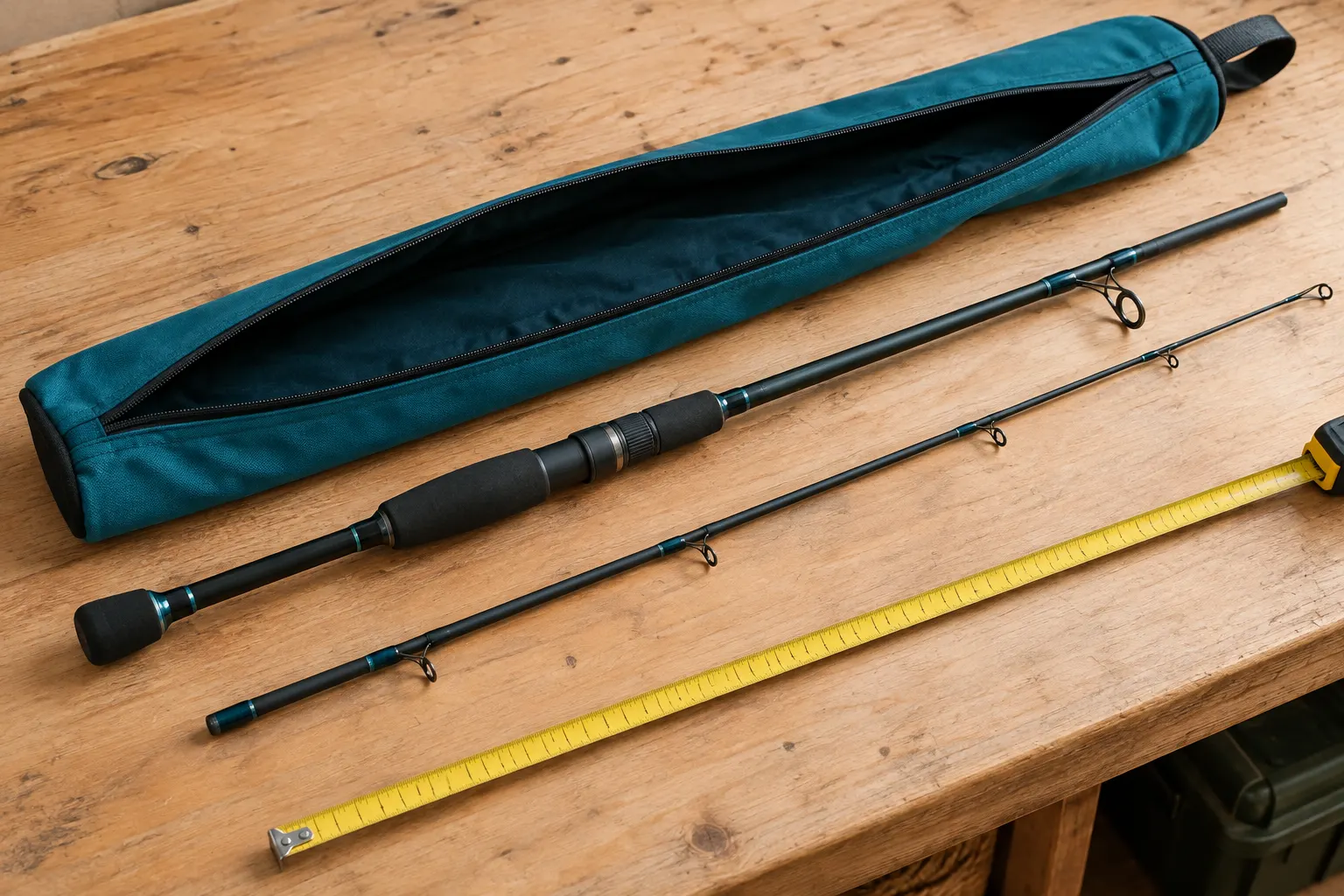
Keep the assembled rod specification, longest separated section and actual case envelope as three different records.
Updated:
Start with two different questions
A rod’s advertised length describes its assembled specification; it does not automatically tell you the length of the bundle you will carry. Before buying, record the exact model and ask for its actual separated transport arrangement. A short car boot or narrow cupboard makes that distinction useful even when you never fly. Daiwa Australia’s naming guide explains how length and section count can appear in a rod name, alongside other information. Use that guide as a route to the relevant specification table. Do not turn the number of pieces into a packed measurement by dividing the overall length: sections can overlap, differ in length or include a handle arrangement.
Daiwa Australian rod naming ? Daiwa BEEFSTICK 461MLS SPIN ROD specification ? NIST exact international length factor ?
Preserve the manufacturer’s original units
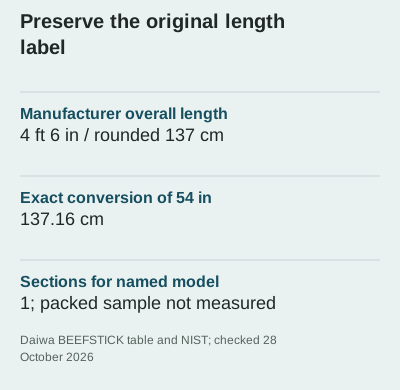
The Australian BEEFSTICK table lists the exact 461MLS SPIN ROD as one section, with an overall length of 4 feet 6 inches and a rounded metric figure of 137 cm. Those are manufacturer-listed values, checked on 28 October 2026, rather than our measurements of a sample. The international inch is exactly 25.4 mm according to NIST. Therefore 54 inches converts to 1371.6 mm, or 137.16 cm. The small difference from the rounded table entry is not evidence of a faulty rod. Preserve the original label and its source; a conversion adds arithmetic precision without increasing the precision of the underlying product specification.
Measure the real packed arrangement
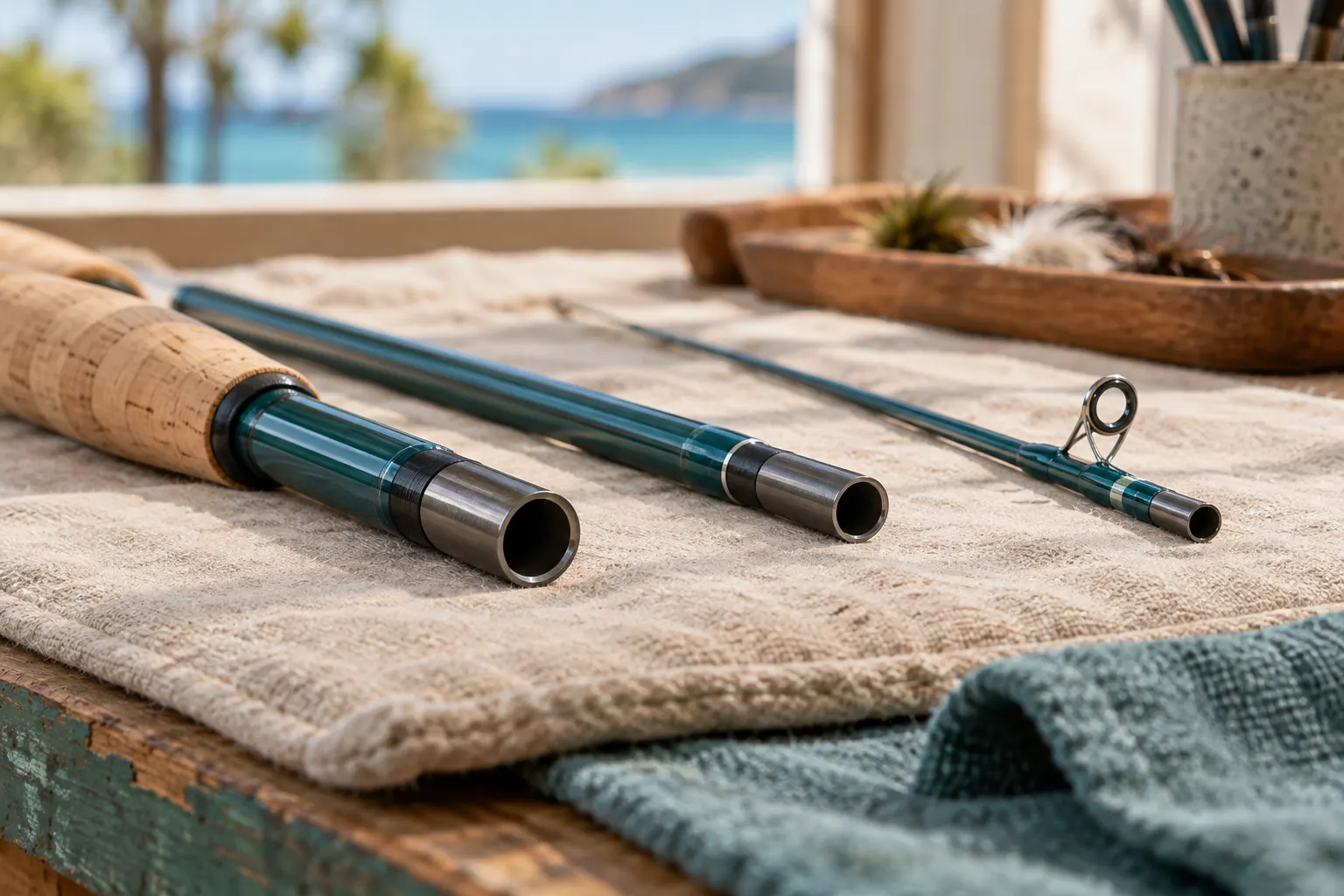
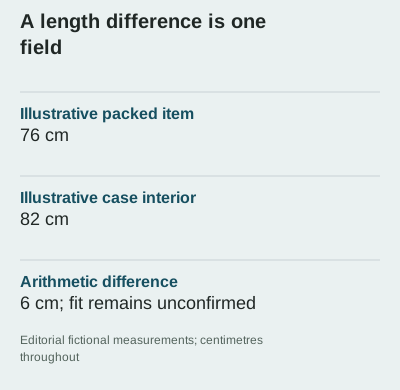
For a rod you can inspect, ask the owner or retailer to show the separated parts in their intended sleeve or protective arrangement. Record the longest packed dimension, the widest guide or handle area and whether the reel is removed. In an explicitly fictional example, a packed item measures 76 cm and a case’s internal length measures 82 cm. The length difference is 6 cm. That does not establish fit: guide rings, foam, end caps, curvature and closure movement can consume space. Measure those separately and follow the manufacturer’s transport instructions. Keep external case dimensions in another field because a carrier or storage shelf may use that envelope instead.
Turn the record into a purchase question
Send the seller a concrete request rather than asking whether the rod is travel friendly. Ask for the model code, section count, longest packed part and the measurement method, including any sleeve or end protection. If the seller supplies only overall length, mark packed length as unconfirmed. A photograph with a visible measurement can help explain the arrangement, but perspective alone is not a reliable scale. For an online order, retain the seller’s written response with the exact listing. A similar model name or a different production version may have a different construction. Where a measurement is close to your available space, arrange an actual inspection instead of treating a calculator’s positive difference as approval.
Keep transport approval separate
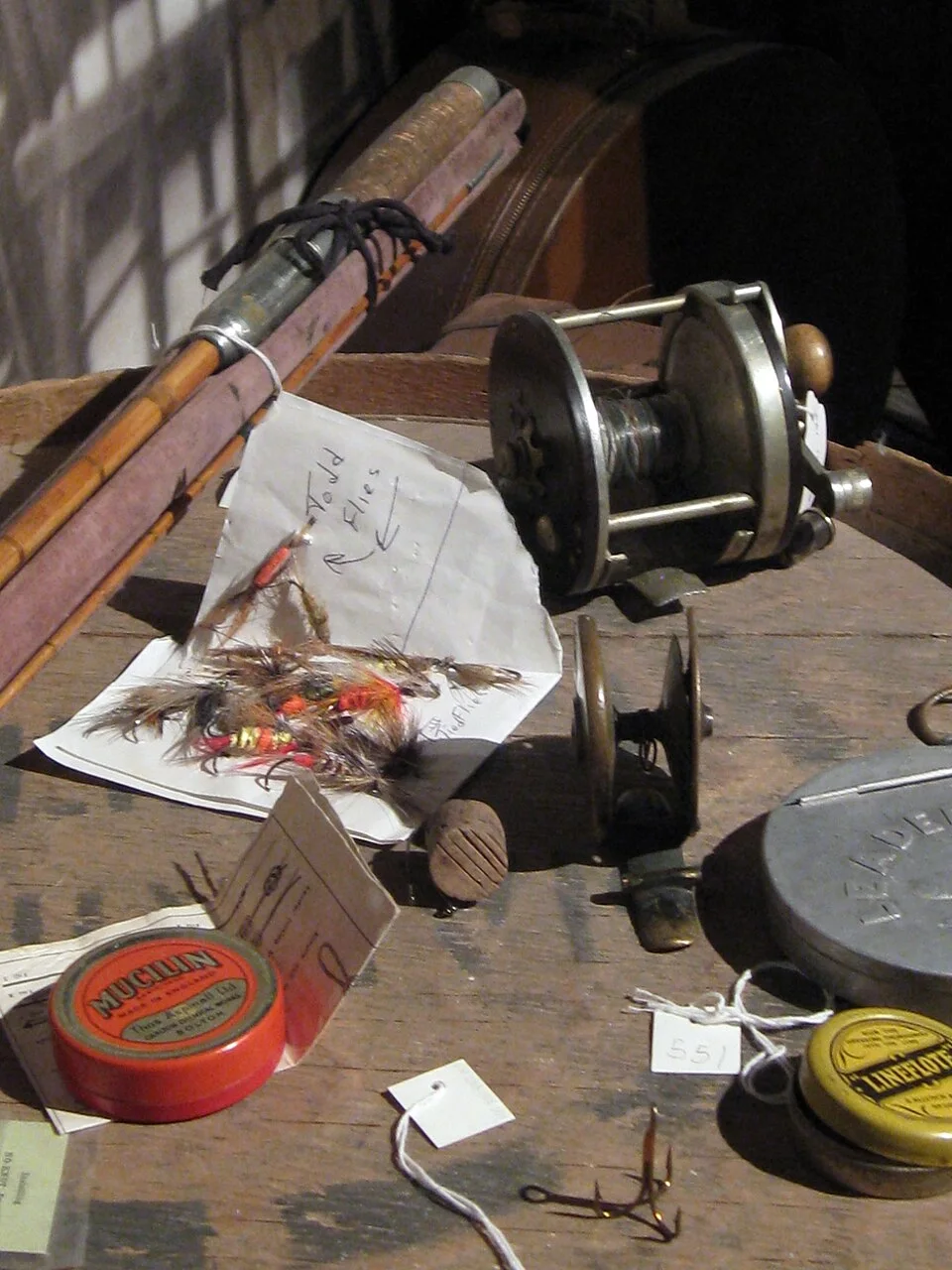
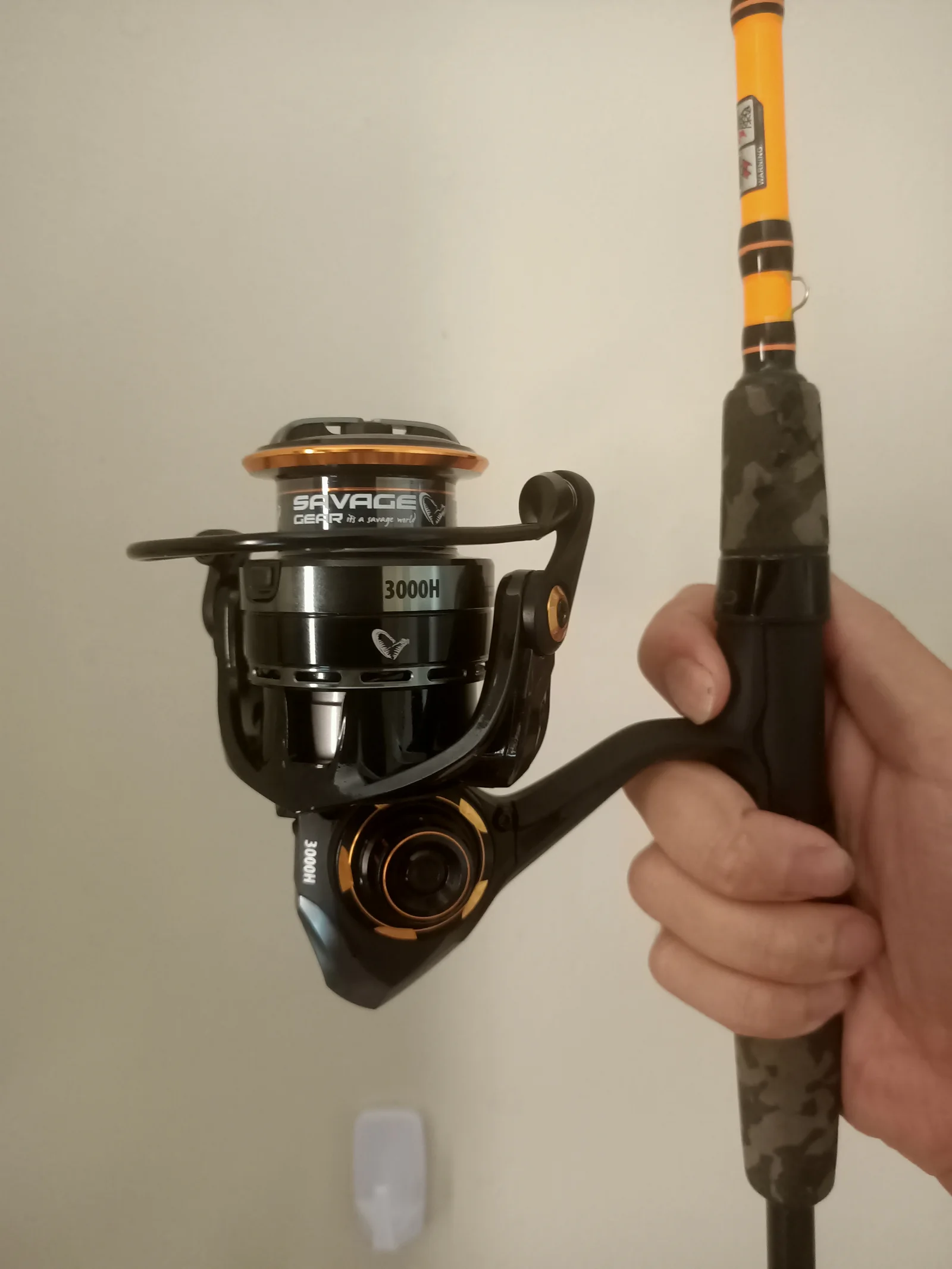
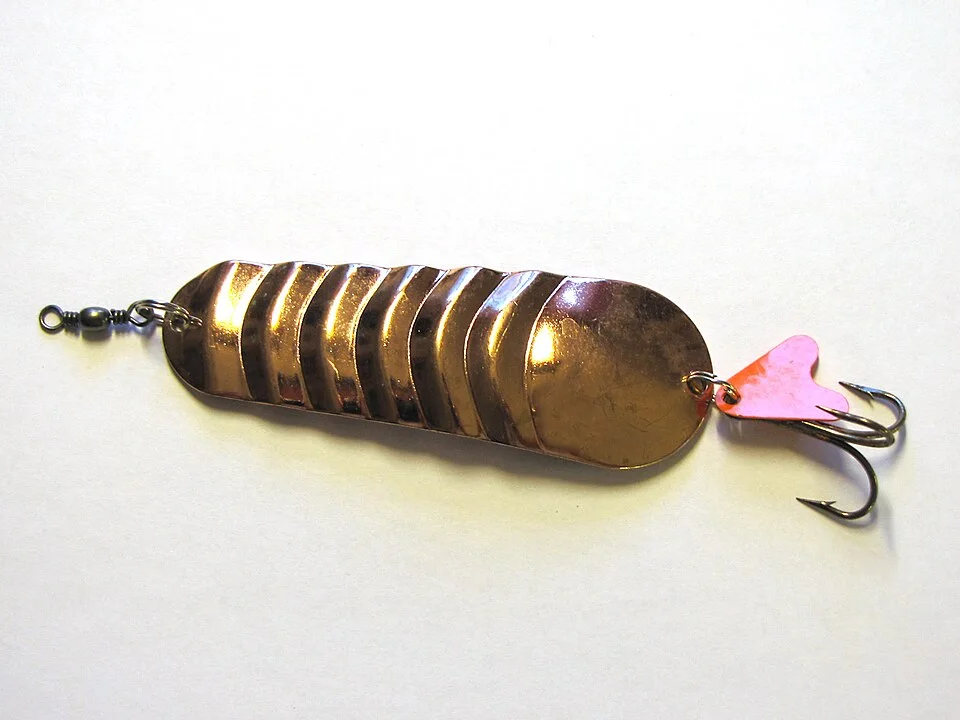
Use the item-and-case tool only to subtract two recorded lengths in centimetres. Keep its result with the two original measurements and the date. It does not assess padding, strength, airline acceptance or safe restraint in a vehicle. Before any journey, check the current carrier’s conditions for the actual operating service; before storing equipment, follow its care guidance and avoid forcing sections into a space they do not suit. The real photographs below show equipment context, while the cover is a labelled AI concept, not a photograph of the named BEEFSTICK model. The useful final record is a short set of confirmed dimensions and open questions that a seller can answer before payment.
Open official source ? Open official source ? Open official source ?