Build a model-specific reel care and service file
Locate the exact manufacturer guidance and preserve the service history without inventing a universal reel-cleaning procedure.
Updated:
Start the care plan with model identity
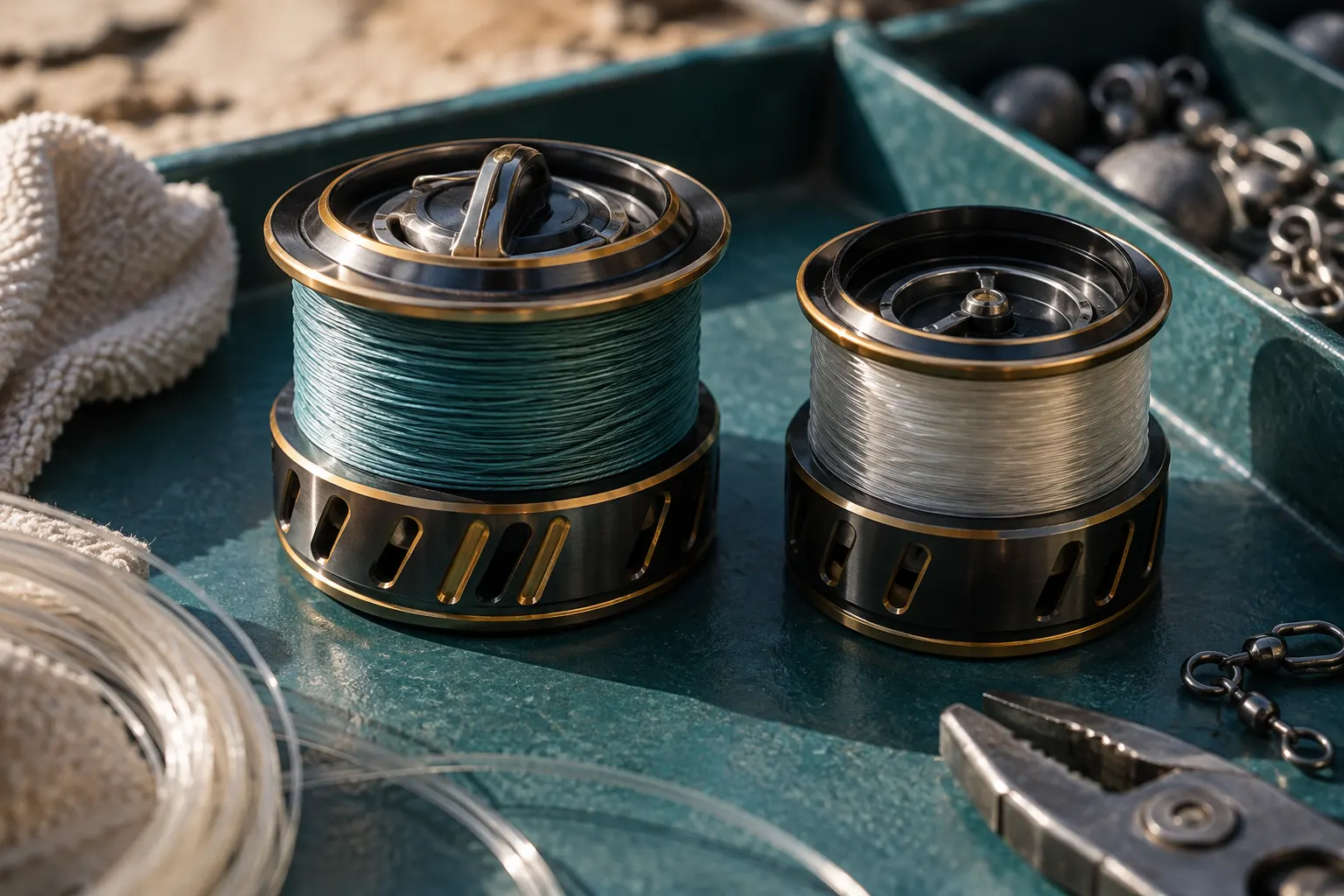
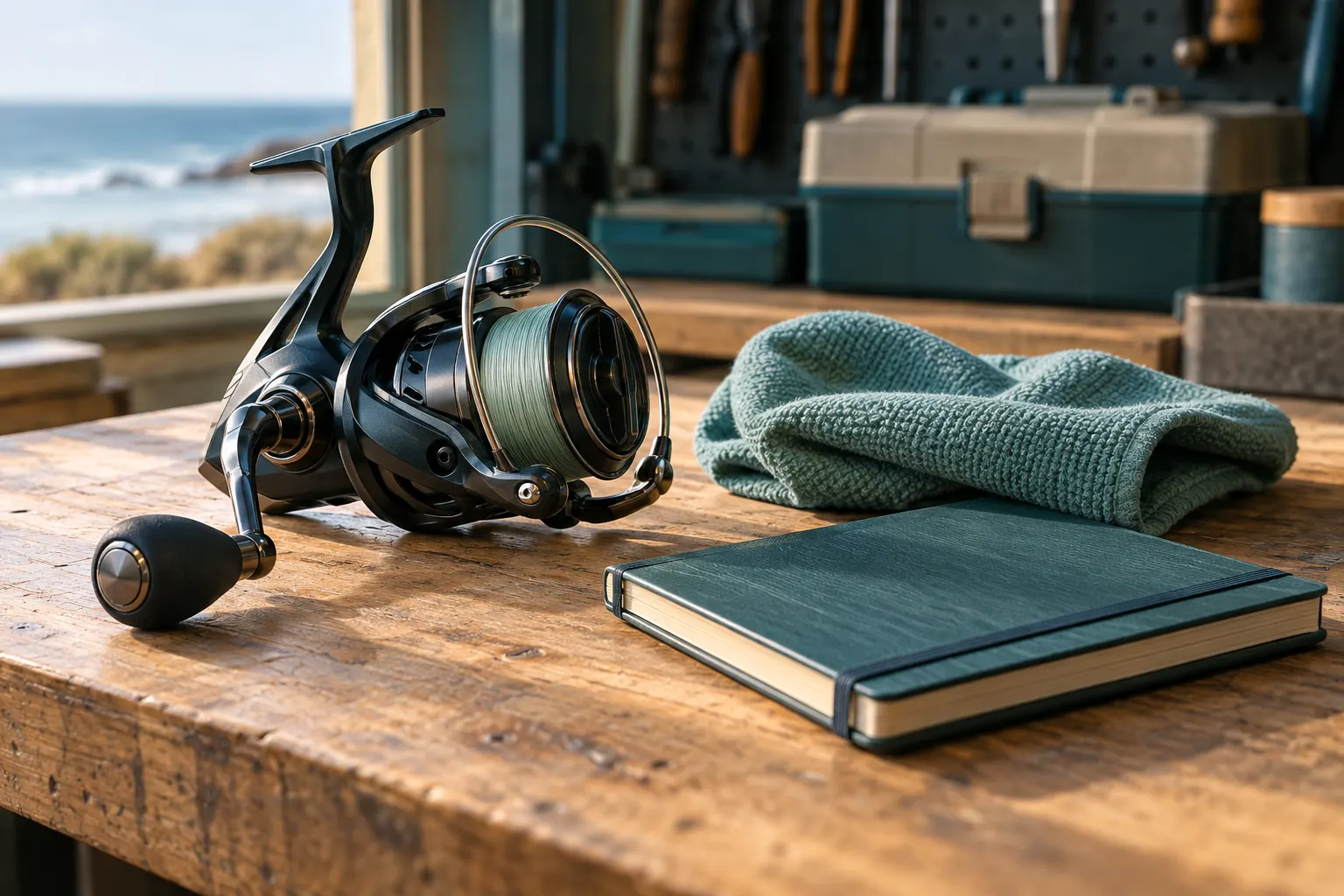
A useful saltwater-care file begins with the actual reel and its applicable instructions, not a generic cleaning recipe. Record the brand, full model code, serial or other identifying mark where present, purchase date and known alterations. Daiwa Australia provides separate rod and reel maintenance resources, which help locate the manufacturer’s guidance. Follow the instructions that apply to the equipment you own and seek clarification where they do not address your situation. A photograph of a reel beside a cloth is not evidence that a particular rinsing, lubrication or disassembly method is approved. This guide organises documentation and service questions rather than prescribing those procedures.
Daiwa rod and reel maintenance resources ? Daiwa Australia reel service process ?
Keep observations separate from diagnosis
After an outing, a written observation can identify a change without deciding its cause. Record when an unfamiliar sound, roughness, visible corrosion or accidental immersion occurred, together with what was already done and by whom. Do not use a quiet handle turn or a clean exterior as proof that the internals are sound. Avoid applying a new product or opening a sealed assembly merely to complete a checklist. Where condition is uncertain, obtain manufacturer or qualified service advice before further reliance. Keep the original observation even after a technician supplies a diagnosis; the history is more useful when it distinguishes what you saw from what a service professional later established.
Record measured packing weight independently
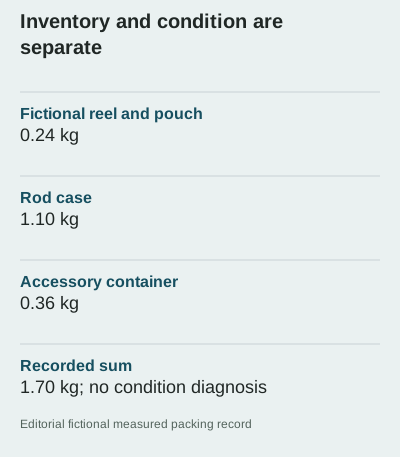
Care records often travel with an equipment inventory, but weight is another field. In a fictional packing example, the reel and pouch weigh 0.24 kg, a rod case weighs 1.10 kg and a separate accessories container weighs 0.36 kg. Their entered total is 1.70 kg. This does not diagnose water ingress, certify a dry reel or establish an airline allowance. If a weight changes unexpectedly, record the measurement conditions and obtain appropriate advice rather than deducing a fault from a calculator. Keep dry storage and transport instructions in the manufacturer file, and mark unknown container weights as unconfirmed instead of subtracting a guessed tare.
Prepare a clear service request
Daiwa Australia’s published process uses an online repair form, securely packaged equipment and the printed form, followed by technician assessment and a quote before work. Checked on 28 October 2026, the page also notes that some old or unsupported models may not be serviceable. Verify the current process directly before sending anything. Describe the exact issue and ask what is included in the assessment, what authorisation is needed and how parts, freight and taxes appear in the quote. Do not convert a headline service price into a promised final bill. Save the response and any exclusions with the job reference so the decision is based on the actual proposed work.
Close the loop after service
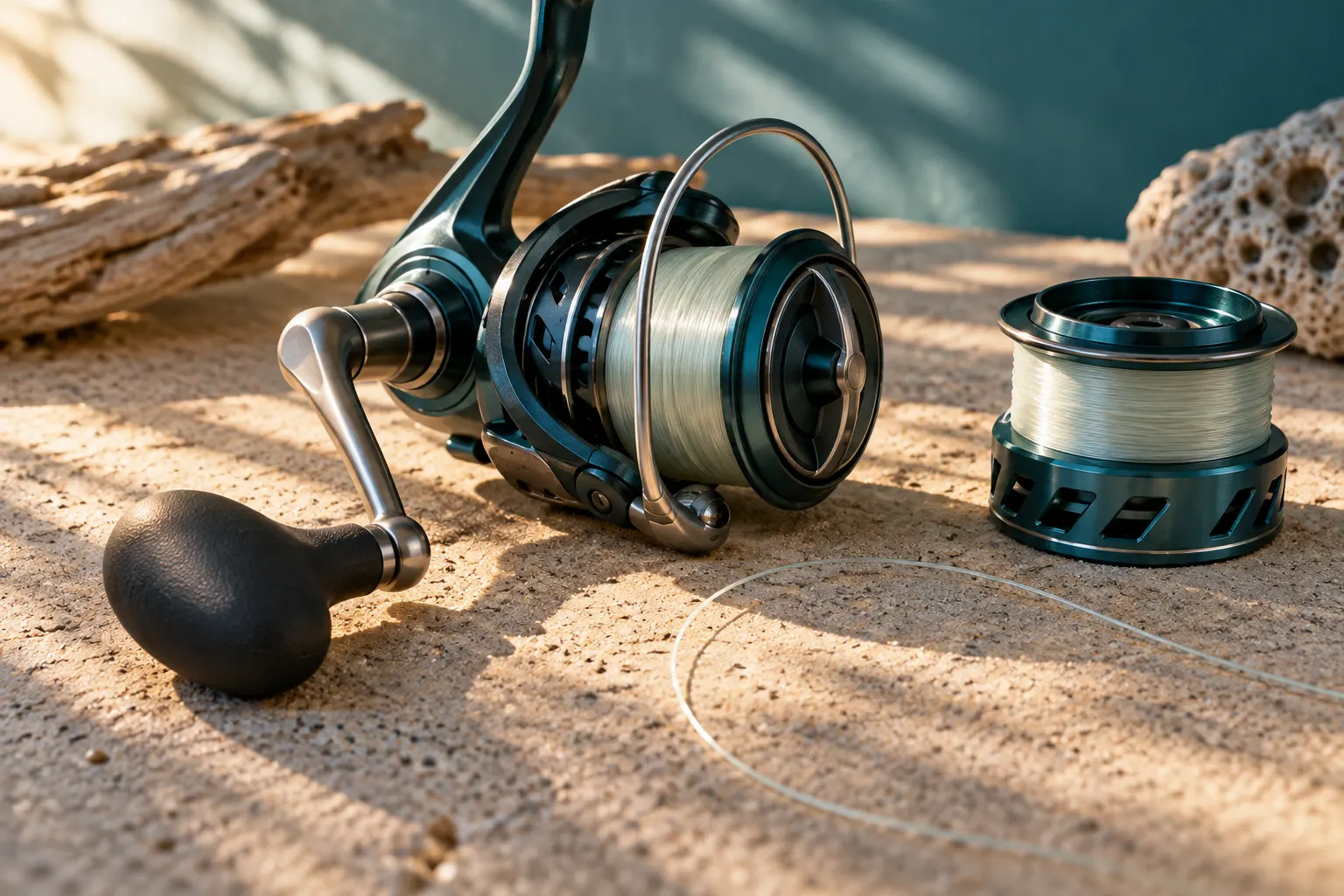
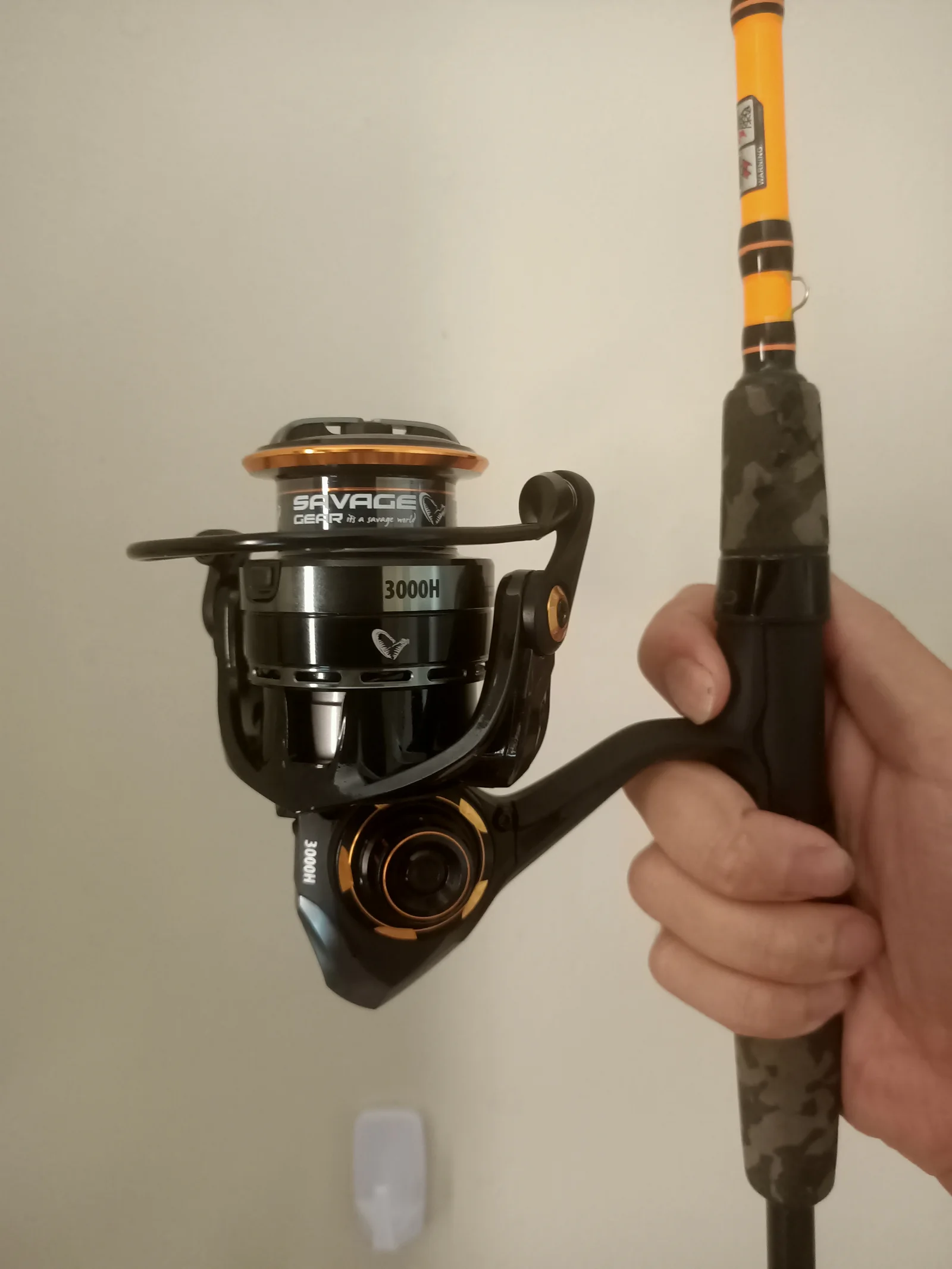
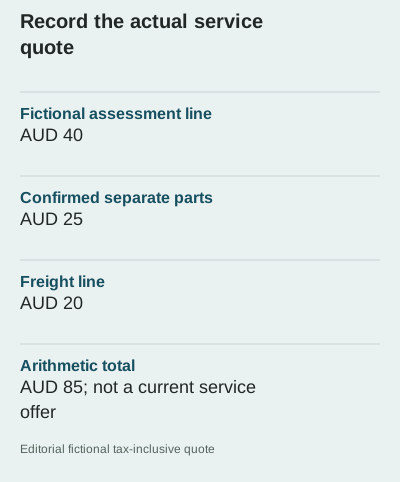
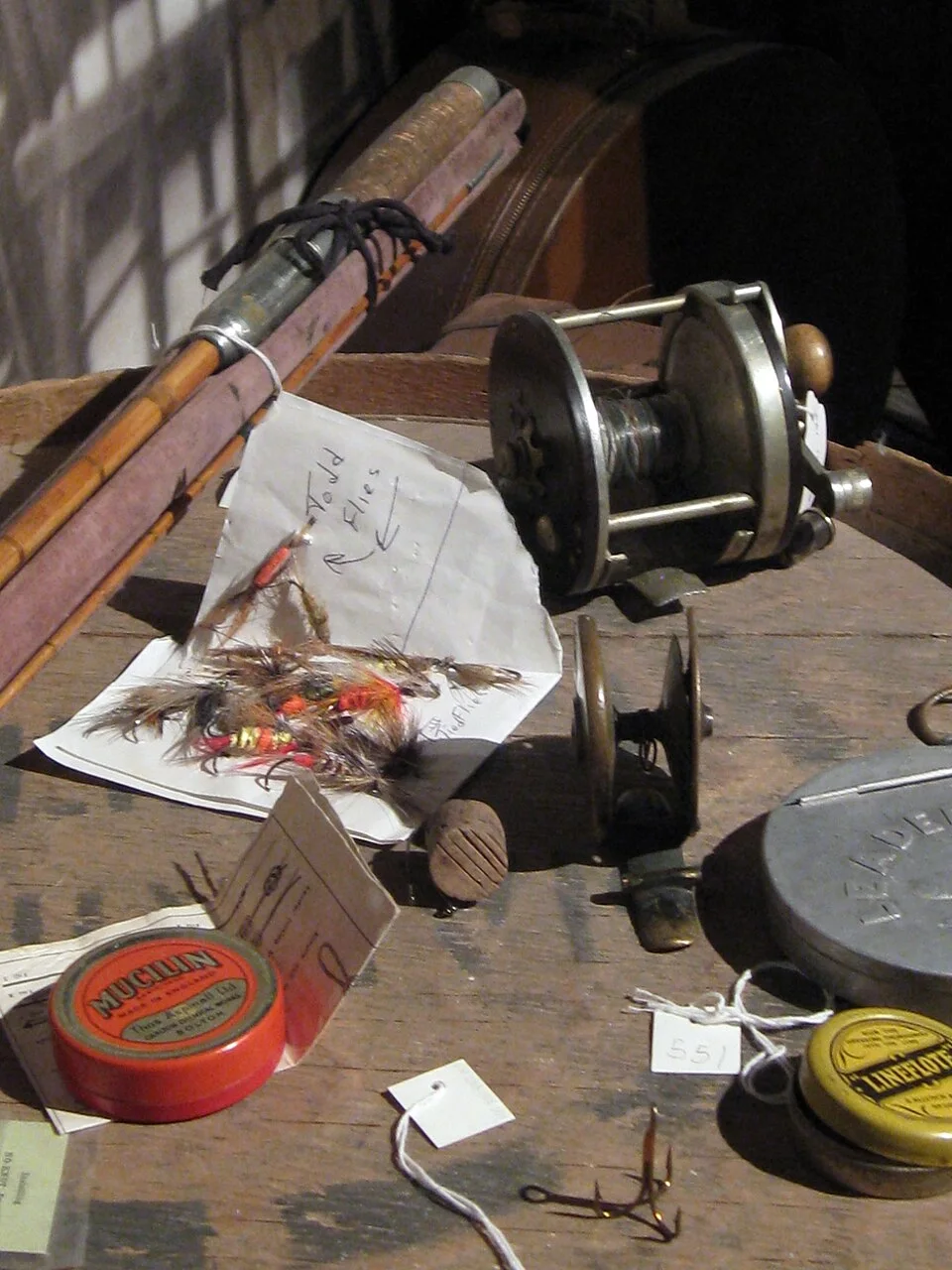
Retain the service findings, parts record, invoice and any updated care instructions with the equipment identity. Record the date it returned and any unresolved question, then preserve future observations as a new entry rather than overwriting the history. A fictional quote of AUD 40 assessment, AUD 25 separately confirmed parts and AUD 20 freight totals AUD 85 only if those tax-inclusive lines are genuinely separate; it is not Daiwa’s current offer. The diagrams use that example and the packing inventory to show how labelled records work. The real photographs illustrate equipment context, not a service inspection. A complete care file should make the next manufacturer conversation clearer without claiming to replace it.
Open official source ? Open official source ?