Read rod line and lure ratings without turning them into fish weights
Keep the manufacturer’s line recommendation, casting field and missing information separate from the weight of a fish.
Updated:
A rating needs its definition
Read the heading above a rod rating before comparing the number. A recommended line field describes a manufacturer’s equipment recommendation; it does not state the weight of a fish that can be lifted or promise that a complete system will tolerate a particular load. Equally, a missing casting-weight value is missing information, rather than permission to use any lure. Keep these distinctions visible when comparing Australian product listings. A compact model name can help locate the exact row, but the full table and relevant instructions must settle what each field means. Start a comparison with the maker, series, model and version, then copy each heading along with its value.
Daiwa BEEFSTICK 461MLS SPIN ROD specification ? Daiwa Australian rod naming ?
Read one exact example without filling its gaps
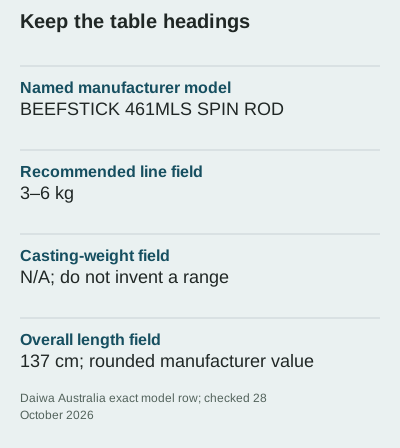
Daiwa Australia lists the BEEFSTICK 461MLS SPIN ROD with a recommended line range of 3–6 kg and a casting-weight field of N/A. The same row gives an overall length of 137 cm. These manufacturer-listed fields were checked on 28 October 2026. They are neither our load test nor evidence of the line already fitted to a particular reel. N/A must remain N/A in your record until the manufacturer supplies applicable clarification. Do not substitute a lure range from another BEEFSTICK model. The rod’s power or action label also needs its own heading; familiar letters are not a universal scale shared by every brand.
Weigh the complete proposed item
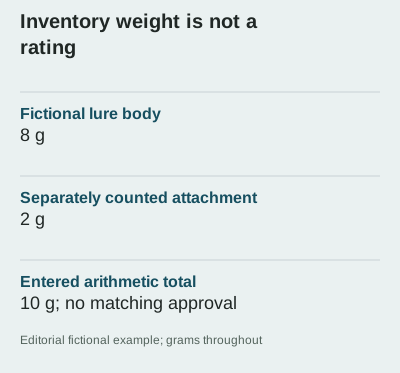
A practical inventory can clarify what you are asking about without declaring the answer. In a fictional example, a lure body is labelled 8 g and its separately recorded attachment is 2 g, giving an entered total of 10 g. That arithmetic does not create a recommended casting weight for the named rod. Packaging may describe a complete lure or only one component, so ask what was included before adding anything. Keep unknown weights as unknown rather than zero. If you measure an item, record the scale reading, its unit and the assembled arrangement. Avoid exposing hooks merely to obtain a photograph; the record can use packaging information and a retailer’s confirmation.
Ask a bounded matching question
Give the retailer or manufacturer the exact rod code, reel, intended line product and complete proposed lure arrangement. Ask which published instructions and specification fields apply. This is more useful than asking whether a rod can catch a named fish, because conditions, technique and the rest of the equipment remain outside a simple rating comparison. A seller’s answer should identify the model and scope, not just repeat a broad family description. Save the response with the original table and note unresolved fields. Where the available information conflicts, pause the purchase comparison until the maker clarifies it; a higher-looking number is not a substitute for an applicable instruction.
Keep the record honest after purchase
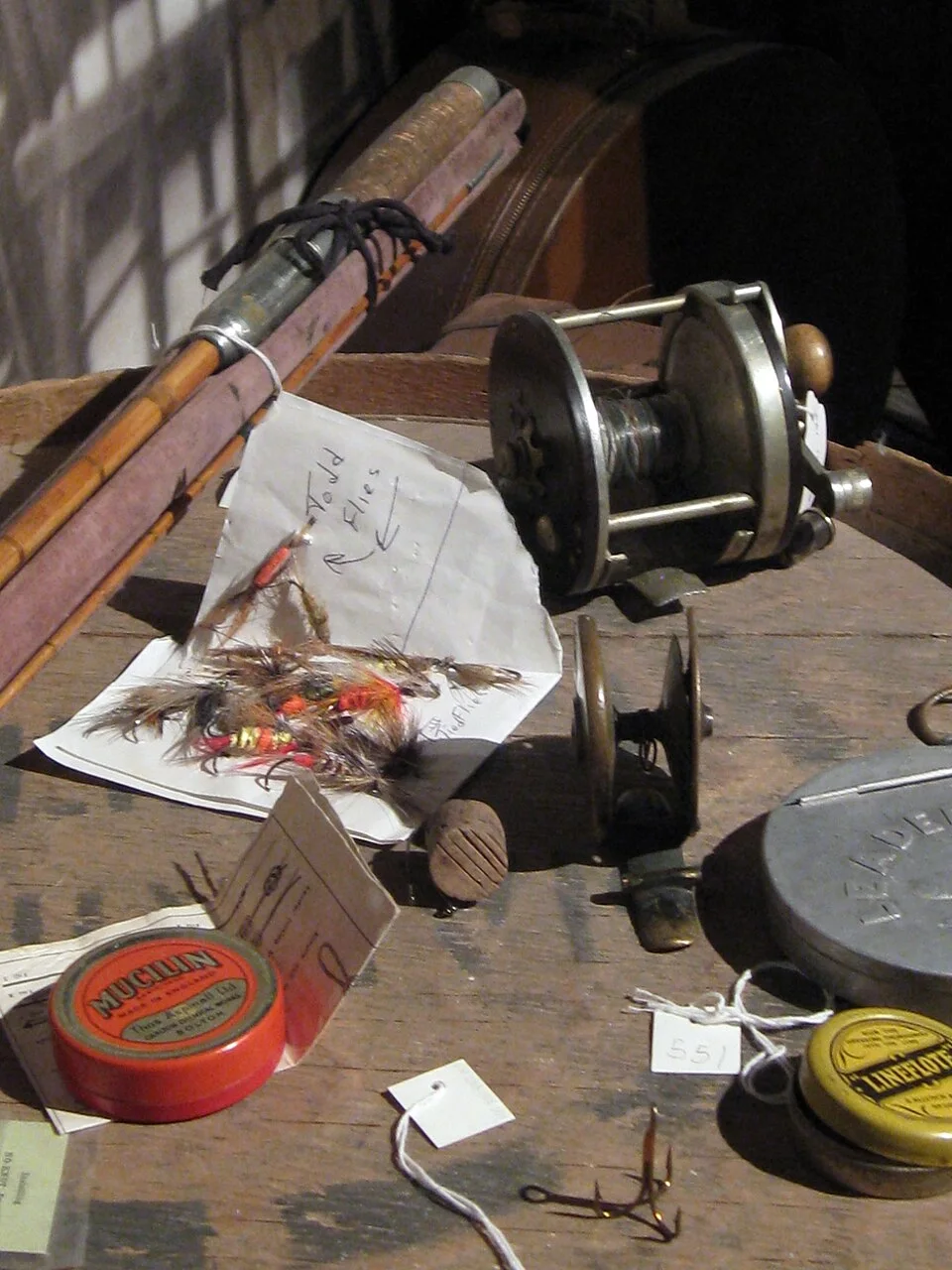
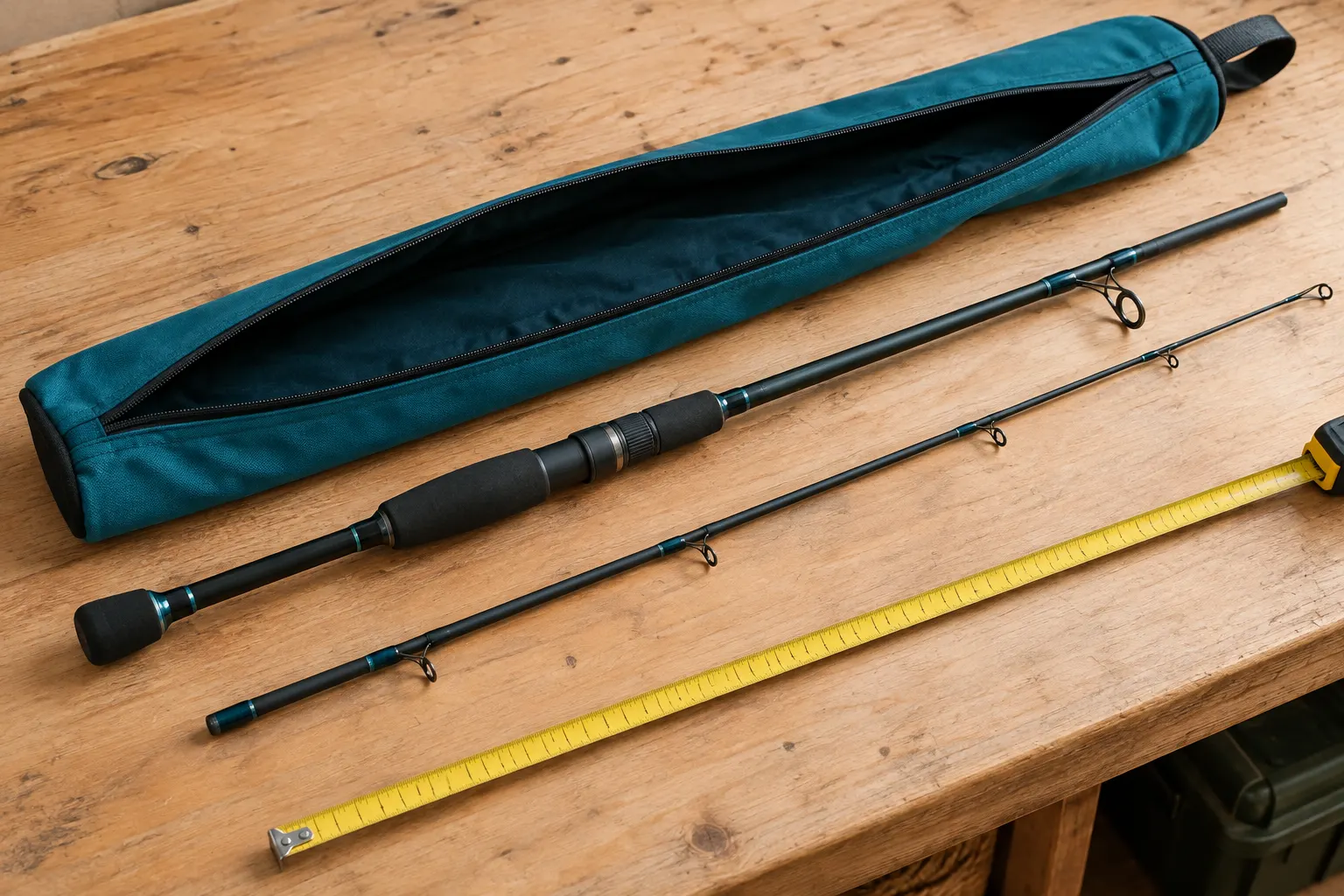
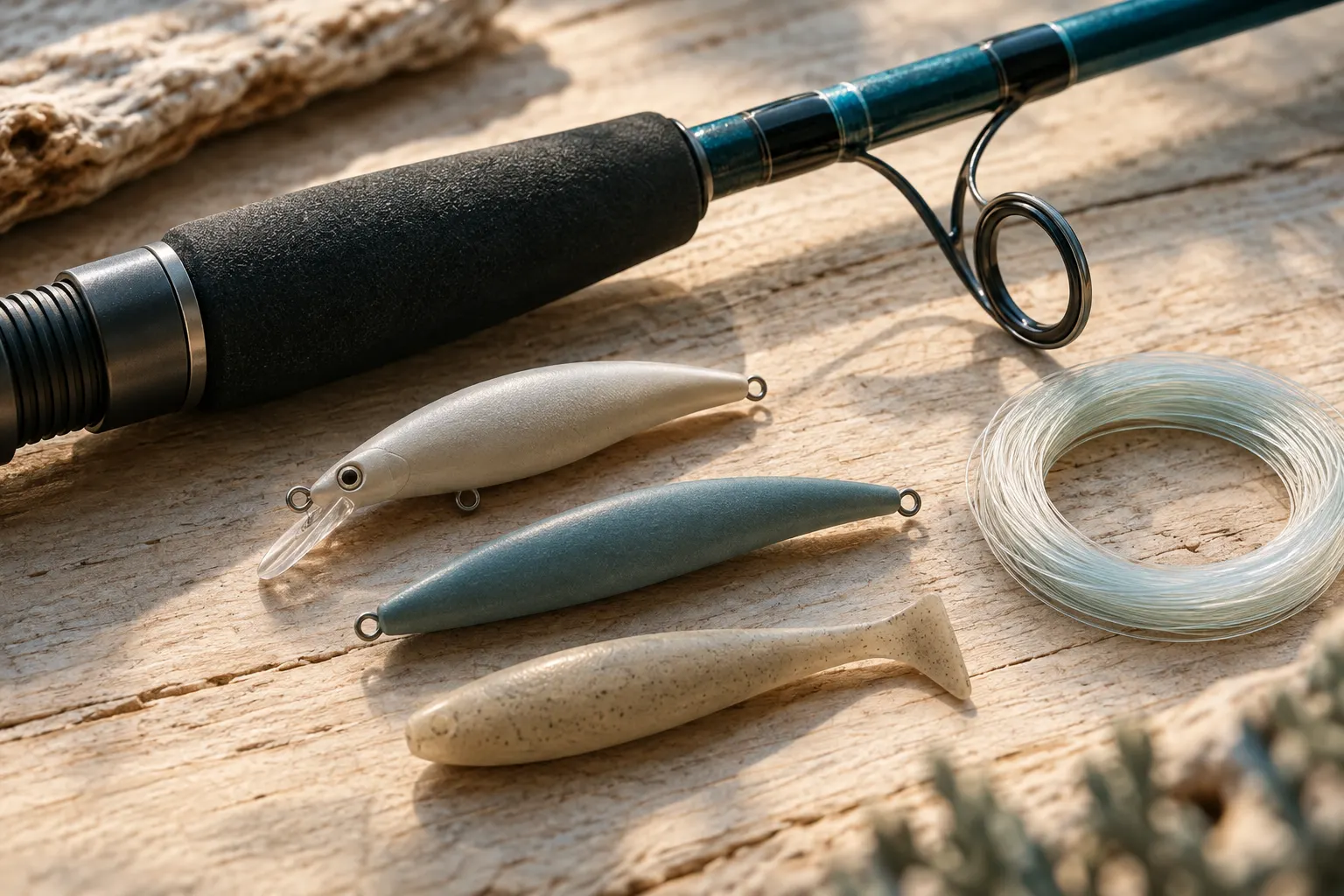
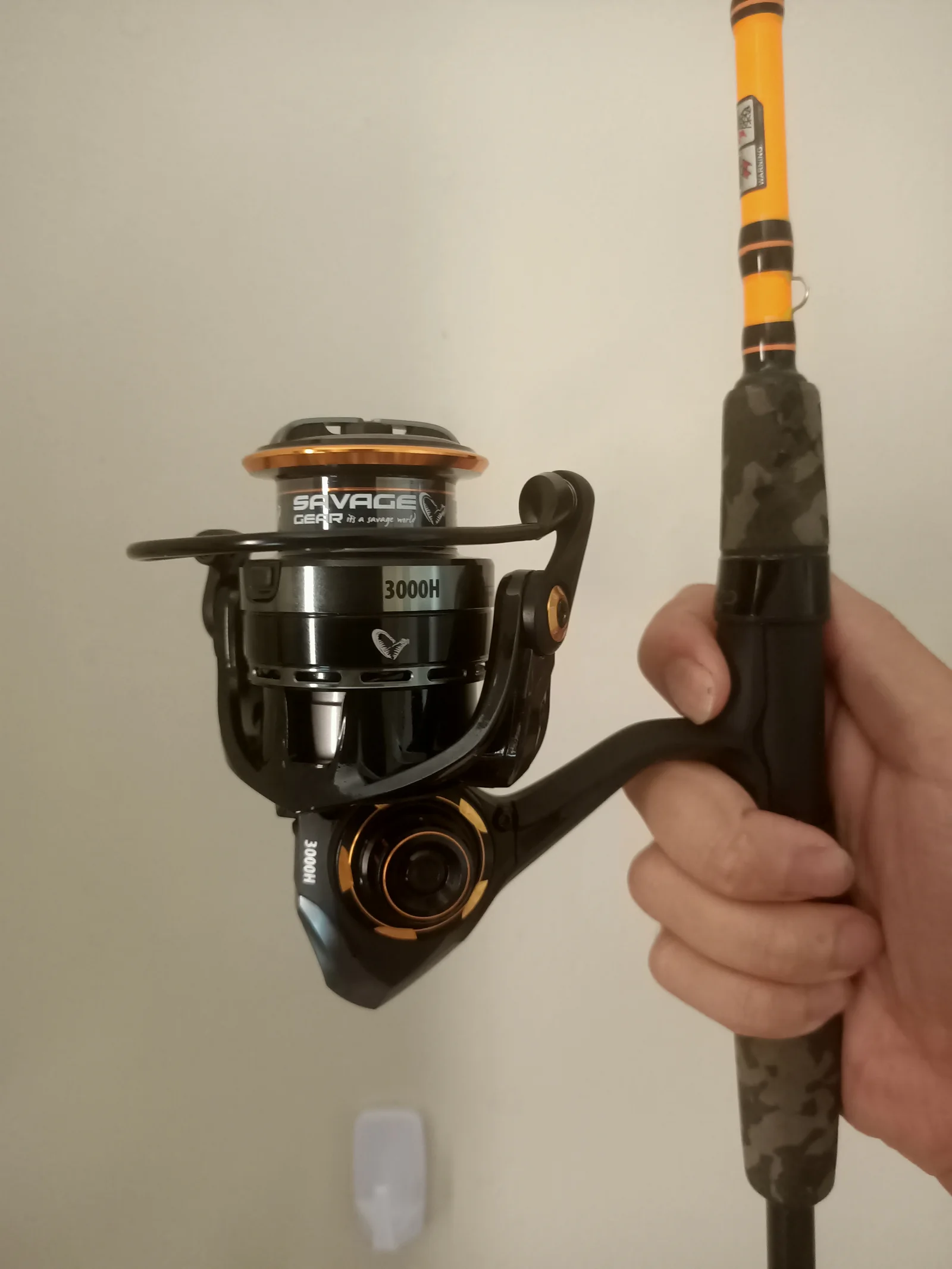
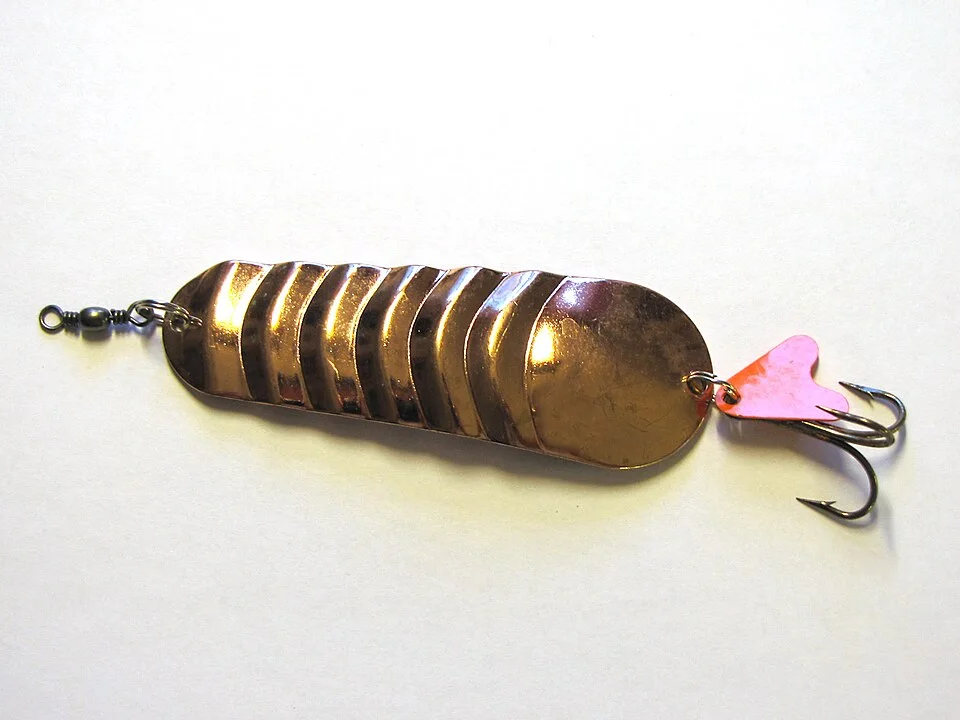
Photograph the delivered model marking and keep the label with the receipt. Compare it with the row you used, including any suffix, before transferring the specification into your equipment file. Record actual changes to line or attachments so that an old worksheet is not mistaken for the current arrangement. Our figures show how to preserve labels and add explicit fictional weights; neither supplies a matching recommendation. The real photographs illustrate separate pieces of fishing equipment, not proof that their visible combinations are suitable or that the pictured rod is the named Daiwa. For use and care, follow the exact equipment instructions and the current official rules for the place and activity.
Open official source ? Open official source ?