A multi-piece rod inspection record for sections and joins
Identify matched sections and record their actual packed arrangement before treating a multi-piece rod as complete.
Updated:
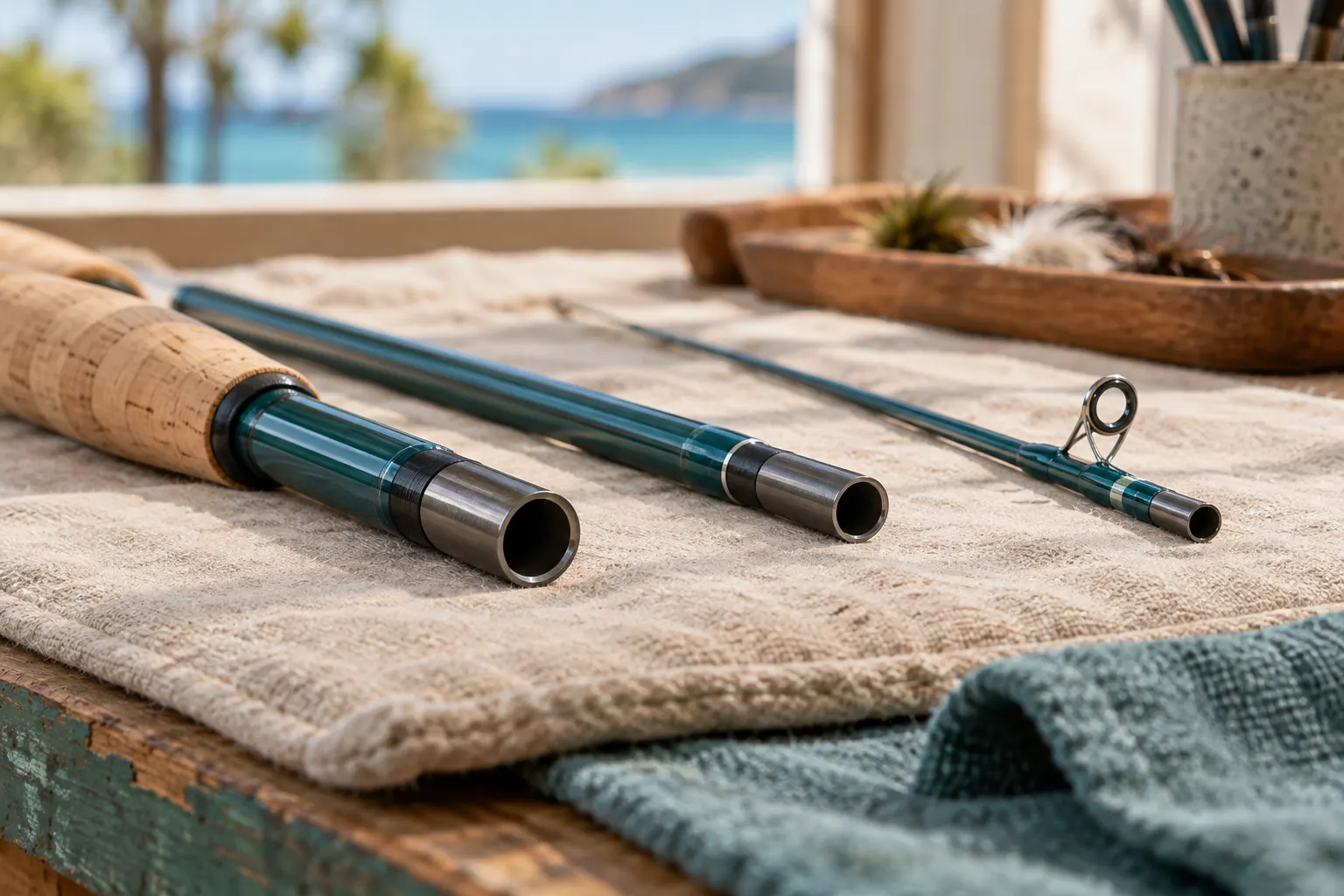
Count the parts that belong together
A multi-piece rod needs a matched-parts record as well as an overall length. Before ordering or inspecting a used rod, identify its full model and ask the seller to show every supplied section, sleeve and protective part. Section count alone does not establish that the pieces are correct or complete. Daiwa’s Australian naming guide can help interpret the number of pieces for relevant series, but the exact model documentation remains the reference. Keep a photograph of the whole set and a written list of included parts. A partly obscured listing photograph should leave the missing section as unconfirmed rather than encouraging a guess about what is outside the frame.
Daiwa Australian rod naming ? Daiwa rod and reel maintenance resources ?
Record dimensions without calculating the joins
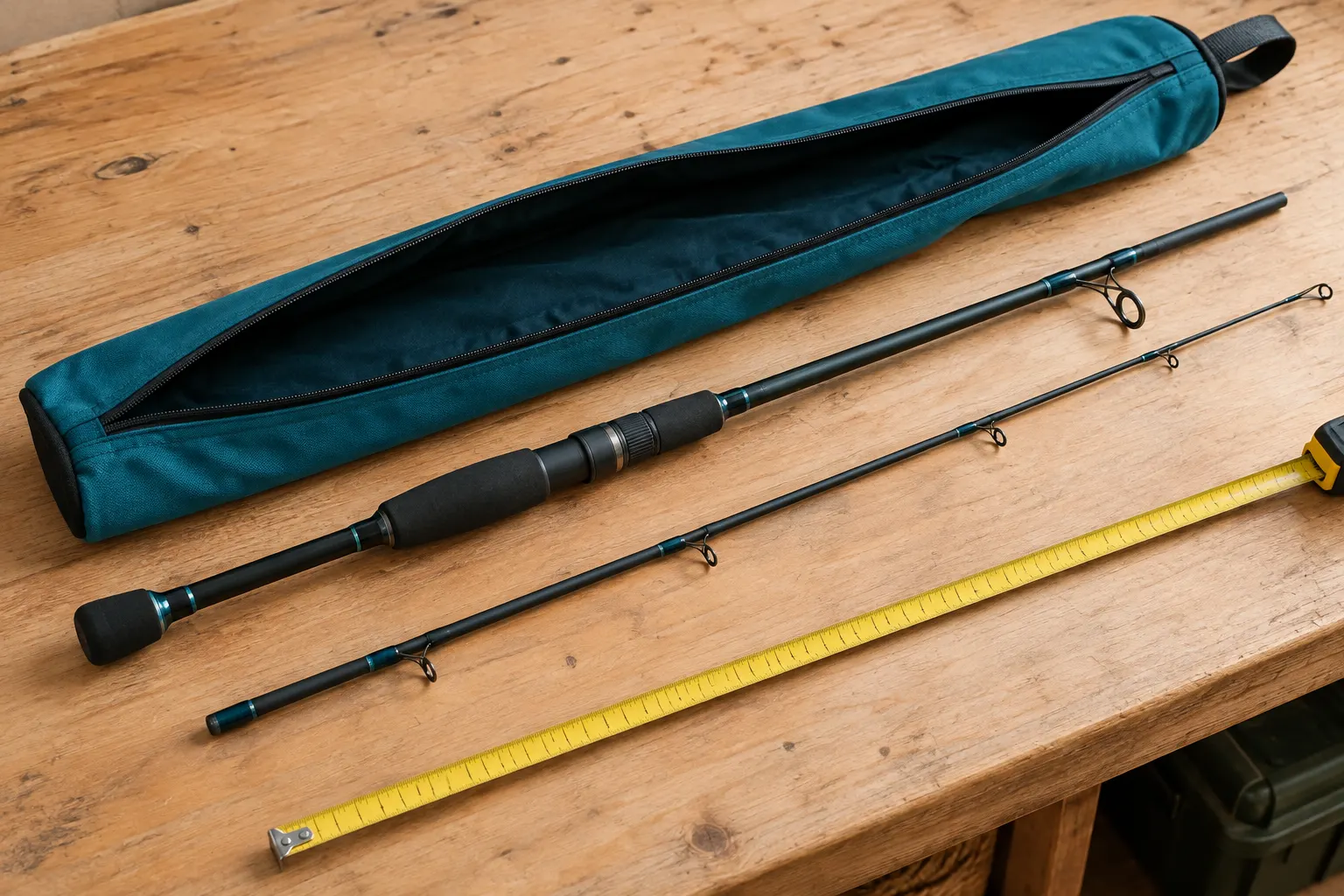
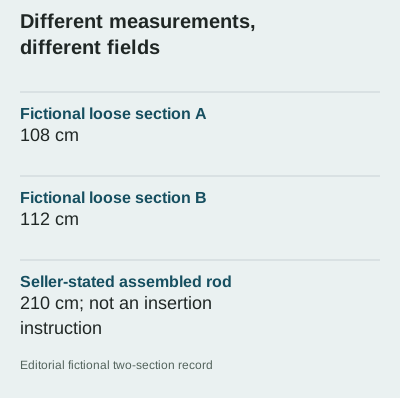
The overall length should not be divided by the section count to manufacture a transport specification. In an explicitly fictional two-section example, the separated pieces measure 108 cm and 112 cm. The longer individual piece is therefore 112 cm, while a seller’s stated assembled length is 210 cm. The difference between the sum of the loose lengths and the assembled length does not by itself establish a recommended insertion depth: the measurement endpoints and construction may differ. Record all three measurements as supplied, name their sources and ask for the applicable assembly instructions. Do not force, sand, glue or alter a joint to make a worksheet appear consistent.
Inspect the join as an evidence task
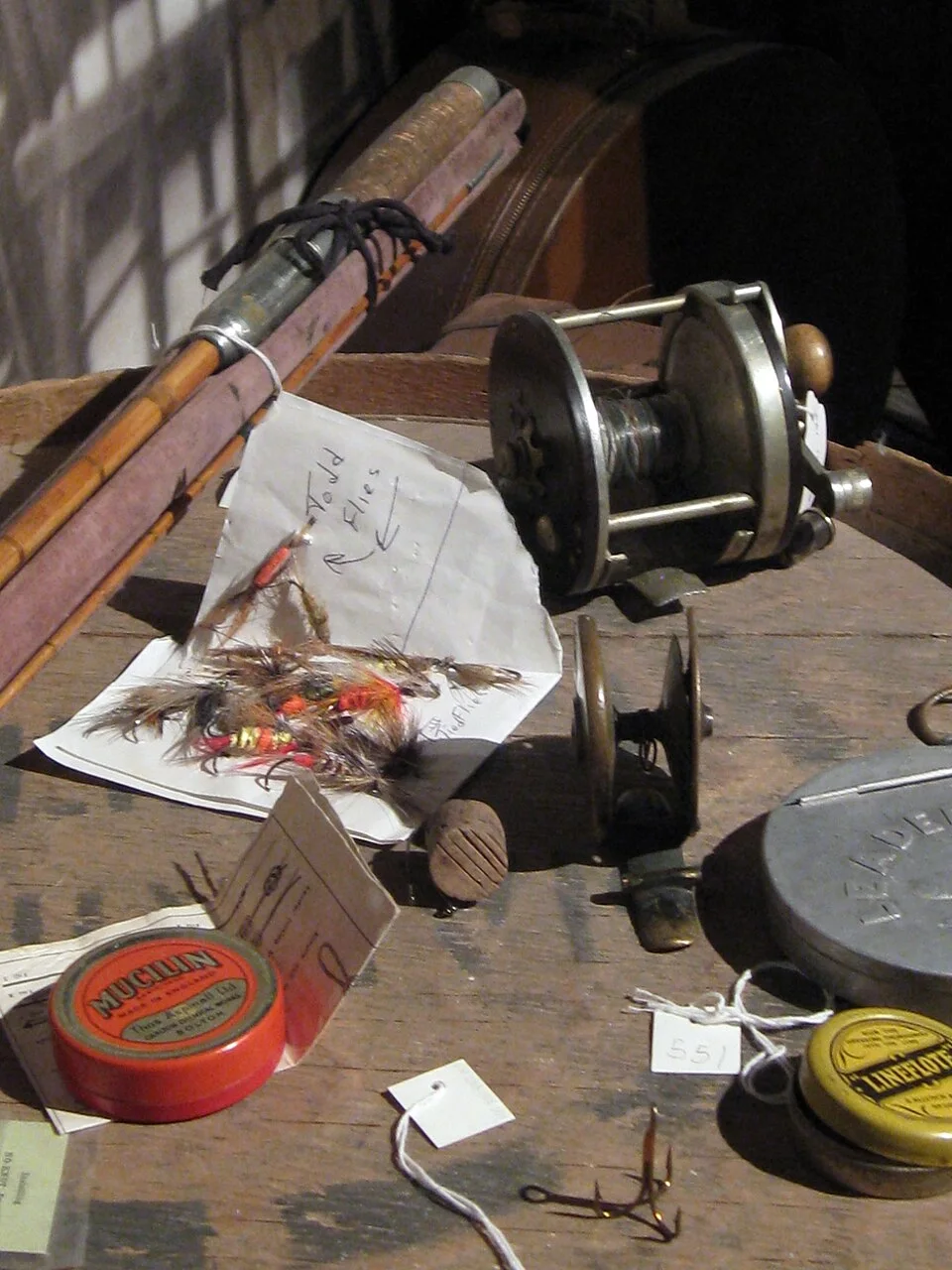
Use the manufacturer’s care and assembly guidance for the exact construction, and obtain qualified help when condition is uncertain. Your documentation can record visible damage, missing markings, previous repairs and whether the seller has disclosed a replacement section. It cannot certify that an apparently clean joint is structurally sound. Photograph the visible ends without putting the rod under a demonstration load. If a seller claims a section was replaced, ask for the part identity and service record rather than assuming that a similar colour means a match. Keep uncertain observations in their own field, using plain wording such as condition not assessed instead of an unsupported pass mark.
Check the supplied packing arrangement
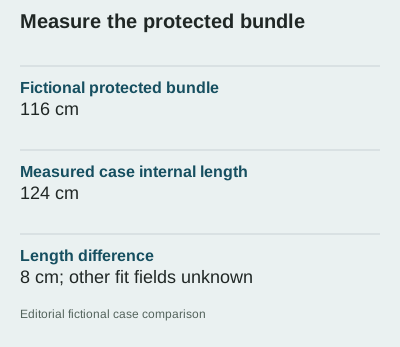
After the parts are identified, record the longest packed dimension with the sleeve and any end protection actually included. A fictional 116 cm protected bundle and a measured 124 cm case interior produce an 8 cm length difference. Other dimensions and closure clearance are still unknown. Check whether guide rings or a thick handle determine the widest point, and retain the external case measurement separately. If the reel is pictured attached, confirm whether the stated transport arrangement includes or excludes it. These details make two seller offers comparable: a lower advertised price for bare sections is not the same package as a matched set with documented protective storage.
Preserve a useful condition history
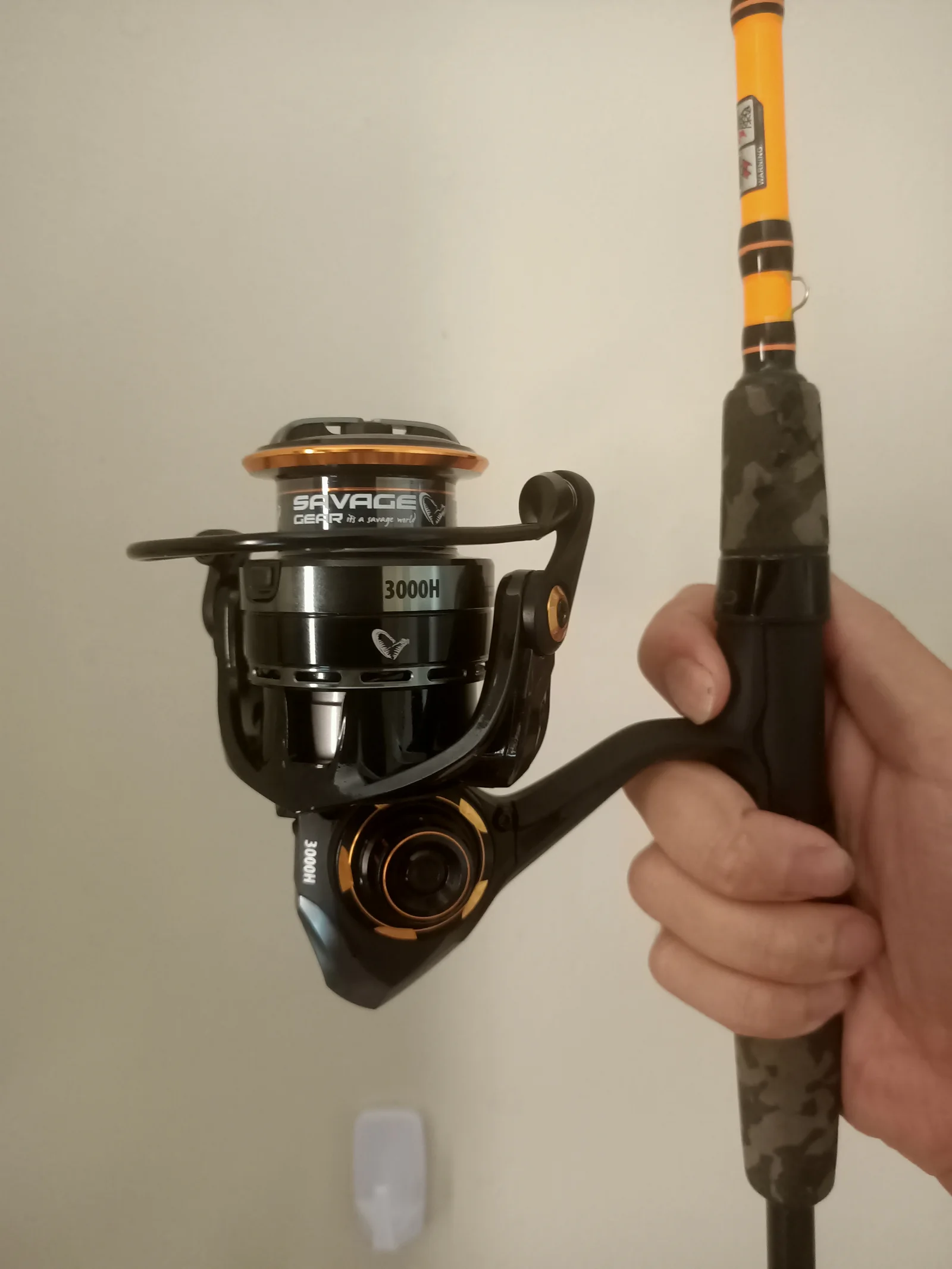
Keep the purchase images, seller’s parts list, exact instructions and any later service findings together. When a section changes, update the record rather than leaving a photograph of the original set as current evidence. Daiwa’s separate rod and reel maintenance resources are a starting point for locating applicable guidance; they do not create a universal procedure for every joint. The diagrams here use fictional lengths to show what belongs in different columns. The archival and modern photographs provide equipment context only, not an inspection of the rod you will receive. A complete file should let another person identify the same parts and unresolved questions without relying on your memory of a listing.
Open official source ? Open official source ?