Check a kayak accessory mount before ordering the hardware
Identify the exact track, mount and supplied hardware before treating a kayak accessory listing as a fit confirmation.
Updated:
A track is a feature, not universal compatibility
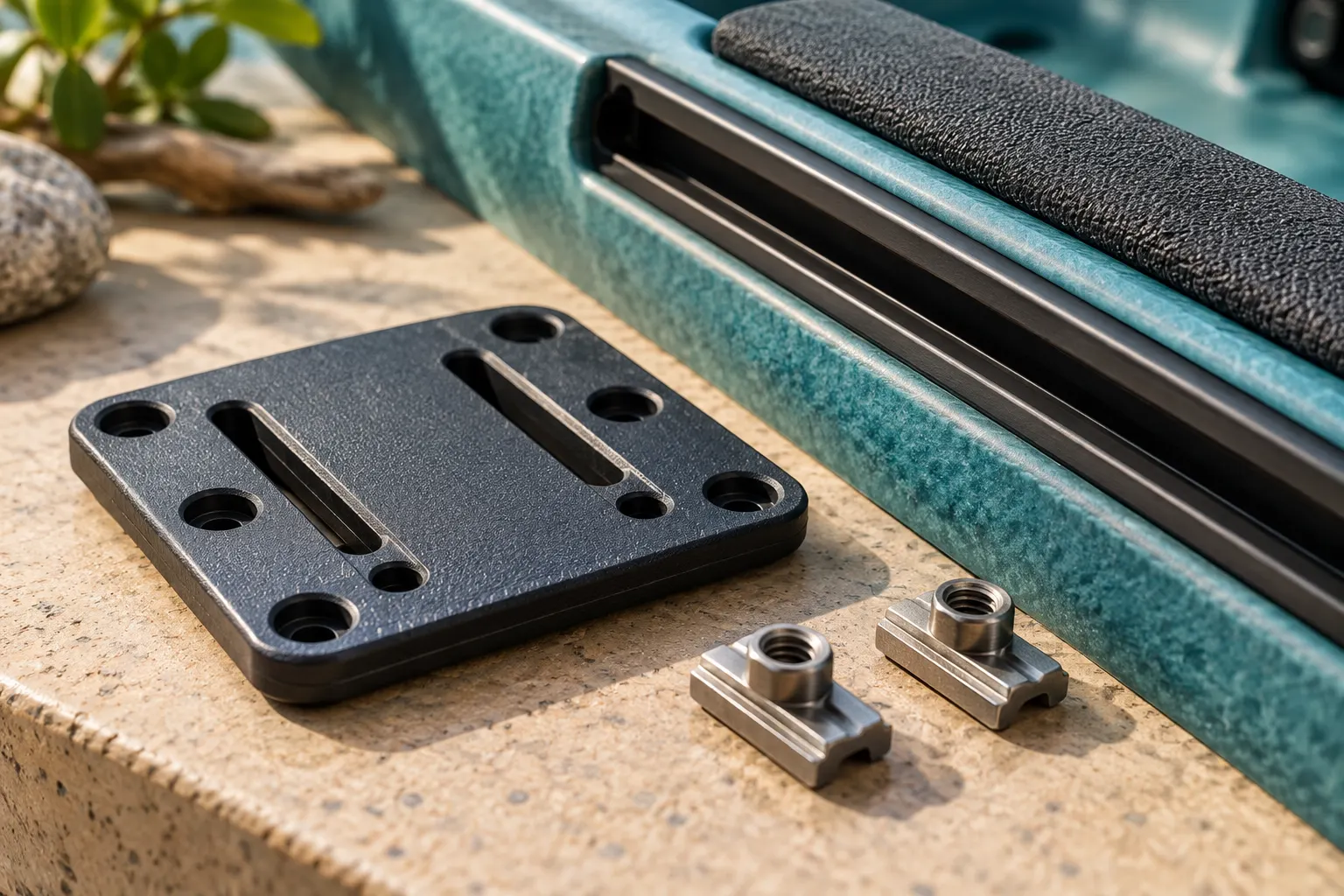
The presence of an accessory track does not confirm that every mount or fastener will suit it. Start with the exact kayak and mounting interface, then identify the accessory, adaptor and hardware as separate components. Hobie’s regional Passport 12R page lists accessory tracks among its features. It does not establish compatibility with every third-party plate or permission to modify the craft. Ask both relevant suppliers for documentation that names the actual interface and arrangement you intend to use. A retailer’s broad kayak accessory category is a discovery aid, not a model-specific installation instruction or a structural assessment of where an item should be attached.
Hobie Asia-Pacific Mirage Passport12R product arrangement ?
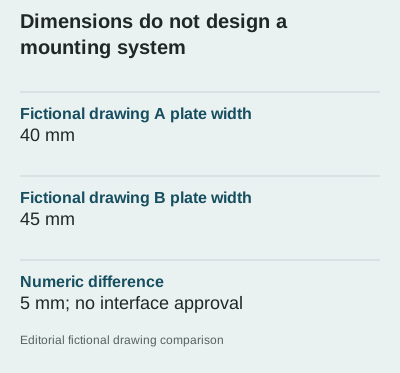
Keep dimensions as observations, not instructions
A measurement record can expose a mismatch without designing an installation. In a fictional comparison, one drawing lists a plate width of 40 mm, another lists 45 mm and the recorded difference is 5 mm. Those values say nothing by themselves about a track nut’s profile, thread, engagement or load path. Record every dimension under its original heading and preserve the drawing revision. Do not choose hardware, drill holes, trim a plate or infer a safe load from these example measurements. Where a supplier provides an explicit compatibility list, save its version and exclusions alongside the exact part number rather than relying on visual similarity.
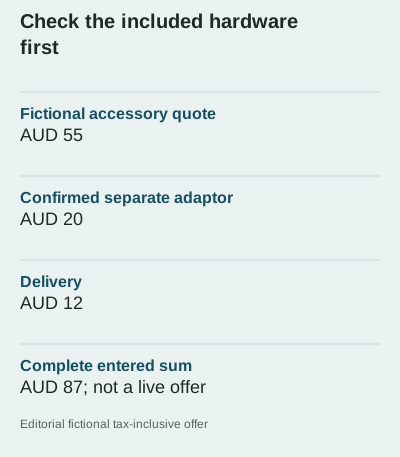
List the hardware actually included
Ask whether the offer includes the mounting plate, relevant adaptor, fasteners and any protective or sealing parts required by the documented arrangement. Use the seller’s written list rather than assuming that every piece pictured is in the box. In a fictional tax-inclusive quote, the accessory costs AUD 55, a separately confirmed adaptor AUD 20 and delivery AUD 12, totalling AUD 87. That is an editorial arithmetic example, not a current retailer price. A cheaper headline accessory price can leave an essential inclusion unconfirmed. Keep uncertain charges blank until the seller confirms them, and do not enter zero merely to make two offers look complete.
Preserve the installation boundary
Read the applicable manufacturer instructions and ask the supplier to resolve conflicts before purchase or installation. An equipment planning journal cannot approve a structural modification, tether arrangement, drilling position or loading condition from a generic drawing. Record who supplied the advice, which craft and accessory it names, and whether a qualified installation or inspection is required. If the equipment is used, disclose existing alterations and seek appropriate assessment rather than treating a pre-existing hole as evidence of an approved position. Photograph the delivered parts for identification and retain any packaging labels, but avoid presenting a neat arrangement on a bench as a tested installed system.

Close the purchase with a traceable answer
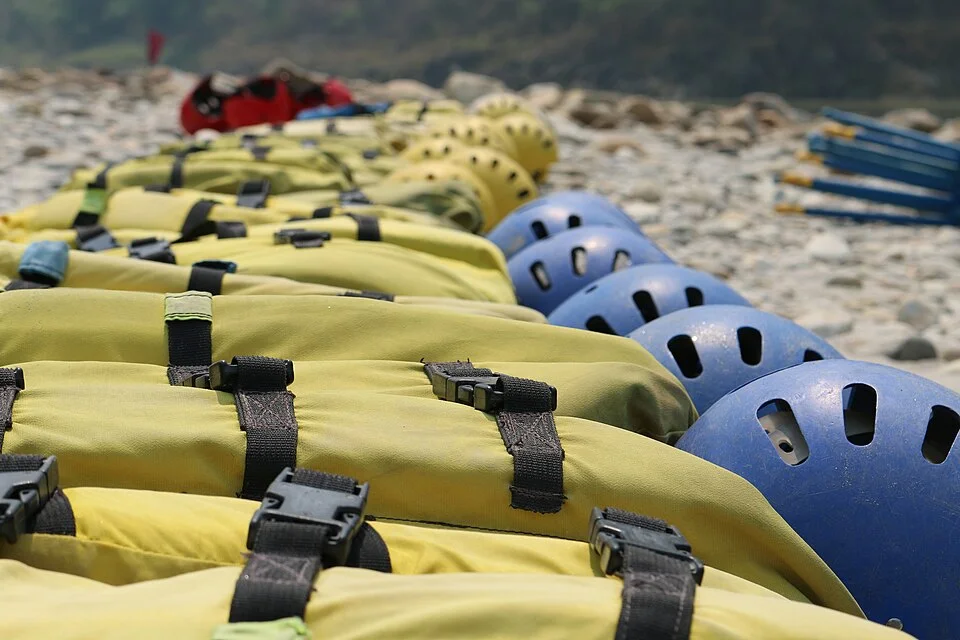
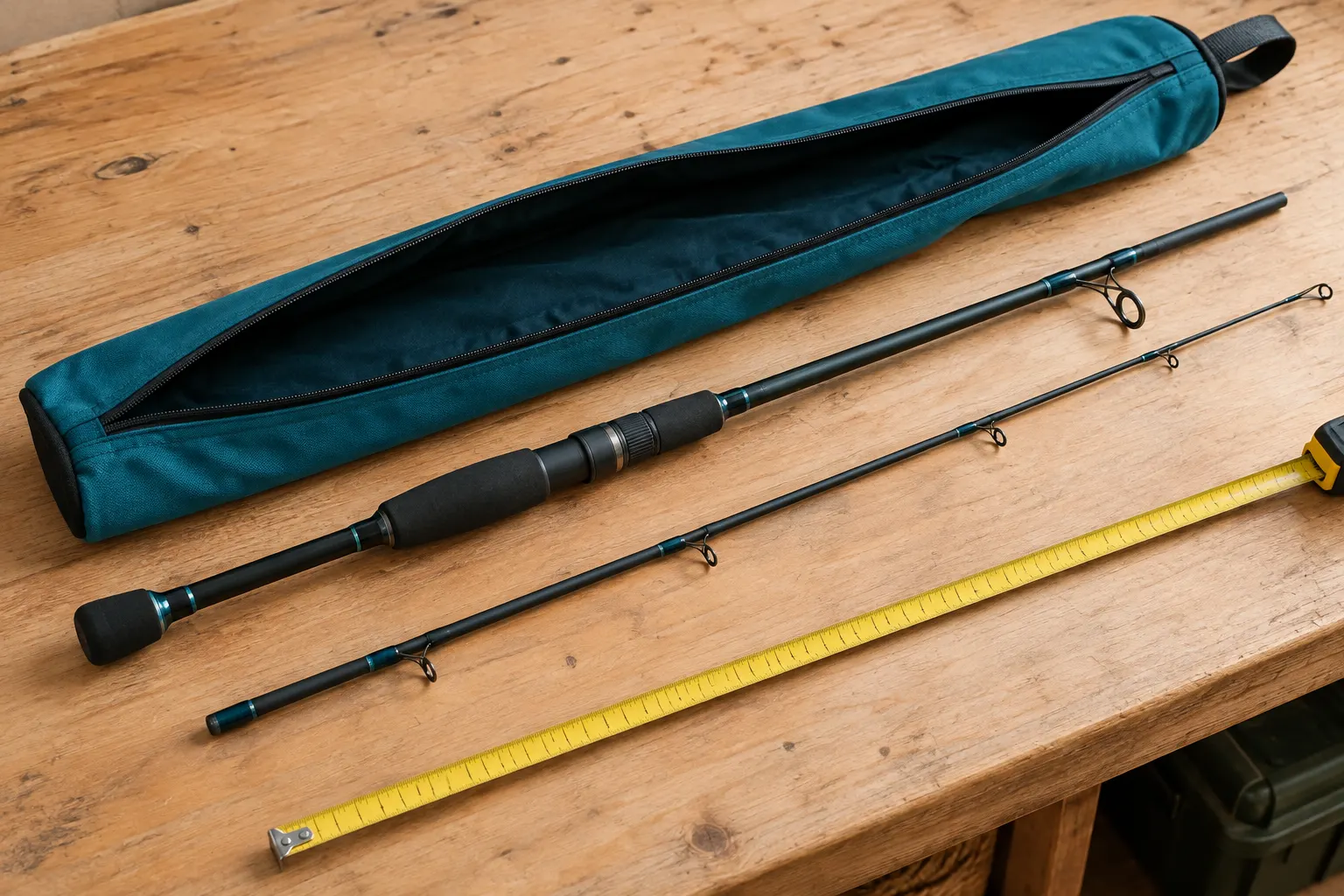
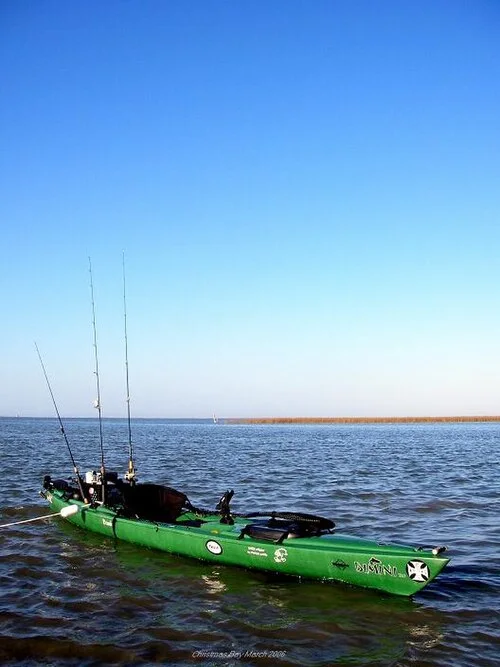
The final comparison should connect the exact kayak interface, accessory code, documented arrangement and included hardware. If a supplier cannot confirm one of those links, mark the proposed combination as unresolved. Keep the response with the receipt and update the file if either component changes. The figures explain why dimensional differences and quote arithmetic remain separate from compatibility. The real photographs show paddling and fishing equipment context, not an installation of the accessory under discussion, while the generated cover is a conceptual still life. A useful record helps you ask a precise question and understand what evidence is still missing; it does not substitute a positive compatibility claim where no applicable source has supplied one.