Create a measured packing-weight ledger
Add measured, explicitly included weights while keeping transport allowances and vessel loading outside the calculation.
Updated:
Define what is actually being added
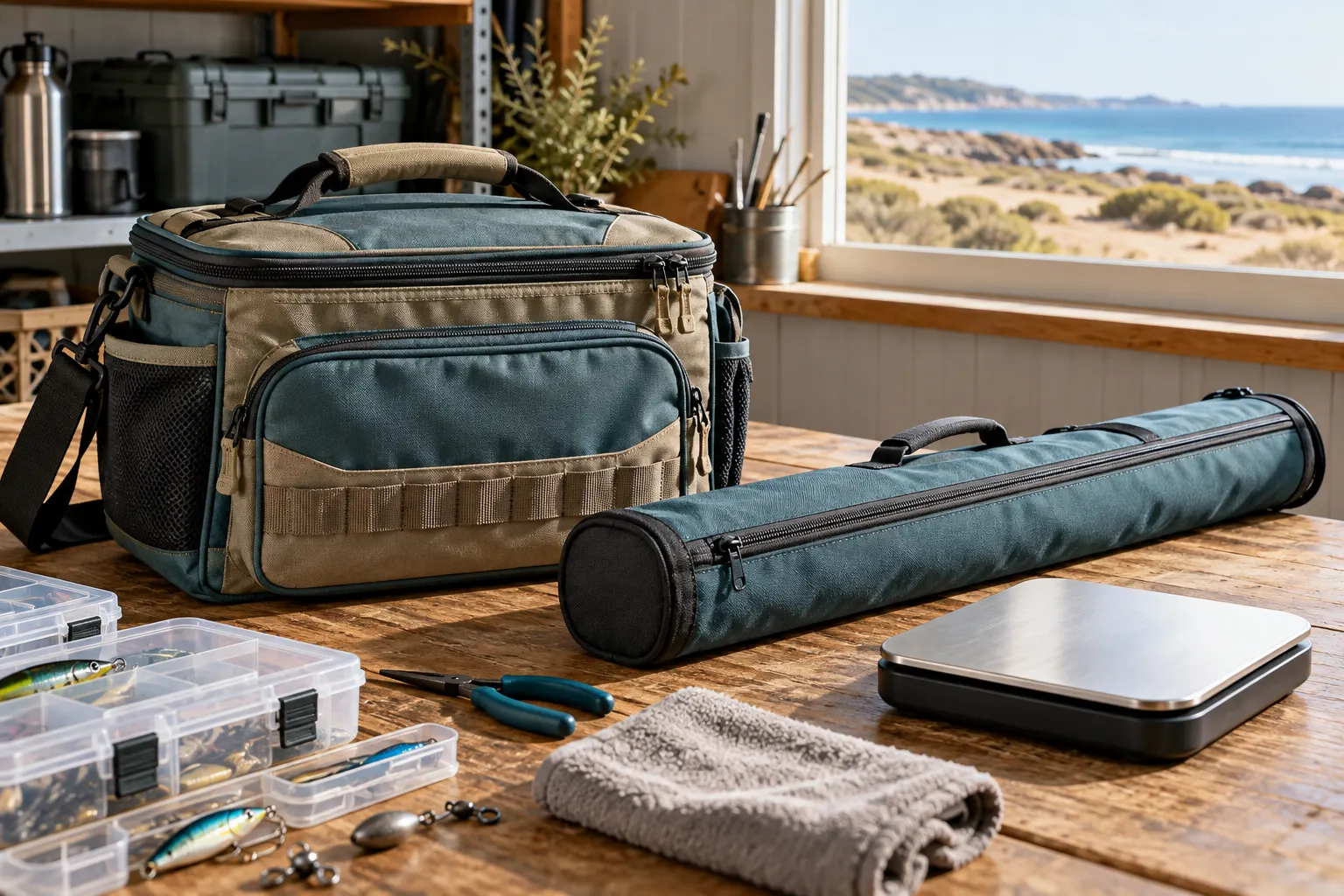
A packing-weight ledger is useful when every line identifies a measured item or a clearly documented source. List the actual containers and contents, use one unit and mark anything excluded. An unknown weight is not zero. Our four-line tool adds entered kilograms only; it does not assess a kayak’s loading, stability, flotation, a roof rack, lifting or a transport allowance. Start the record before comparing totals so that one offer or packing arrangement is not missing a heavy case. Keep the purpose written at the top, such as checked-item inventory or home storage list, rather than allowing an arithmetic sum to become a general equipment approval.
Qantas Australian sporting equipment conditions ? AMSA general marine trip preparation ?
Use a complete fictional example
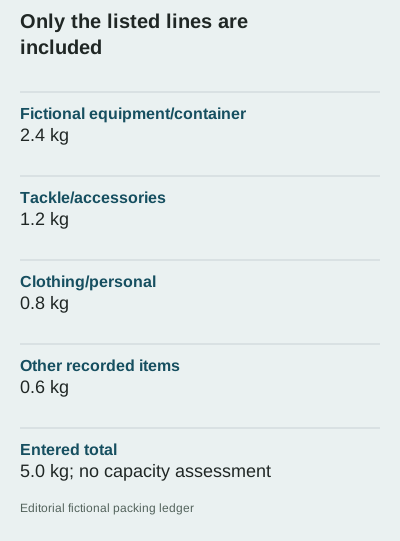
Suppose measured main equipment and its container are entered as 2.4 kg, tackle and accessories as 1.2 kg, clothing and personal items as 0.8 kg and other recorded items as 0.6 kg. The sum is 5.0 kg. These are fictional inputs, not recommended packing weights or a required-equipment list. The result includes only those four lines and cannot infer omitted water, communications, safety equipment or people. If a container is already included with a line, do not add its weight again. Preserve the item list behind each grouped entry so another person can understand what changed when a later total differs.
Preserve measurement and specification labels
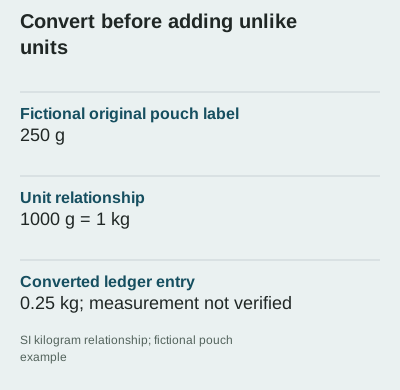
Manufacturer-listed empty weight and an actual packed measurement are different evidence types. Record which one supplied each entry, when it was obtained and the arrangement it describes. If you convert grams, use the relationship 1000 g = 1 kg and keep the original label with the result. A fictional 250 g pouch therefore contributes 0.25 kg to a kilogram ledger. The conversion does not verify the pouch’s actual weight or a scale’s accuracy. Where a measurement is uncertain, state that uncertainty and avoid printing extra decimals as if they came from a more precise observation. Reweigh the complete arrangement where an actual total is needed.
Ask the appropriate transport question separately
Qantas’s sporting-equipment page states a general maximum of 32 kg for an individual checked piece, alongside other conditions. Checked on 28 October 2026, this is not a free baggage allowance or a declaration that a particular rod tube will be accepted. Ticket, dimensions, packing and operating-carrier rules remain relevant. Use the actual itinerary and current policy when asking the airline about a specific item. For on-water preparation, AMSA directs readers to the local marine-safety agency for equipment requirements. Neither an airline limit nor this inventory calculation can establish a craft’s allowable load, required equipment or suitability for a person and conditions.
Update the file whenever the arrangement changes
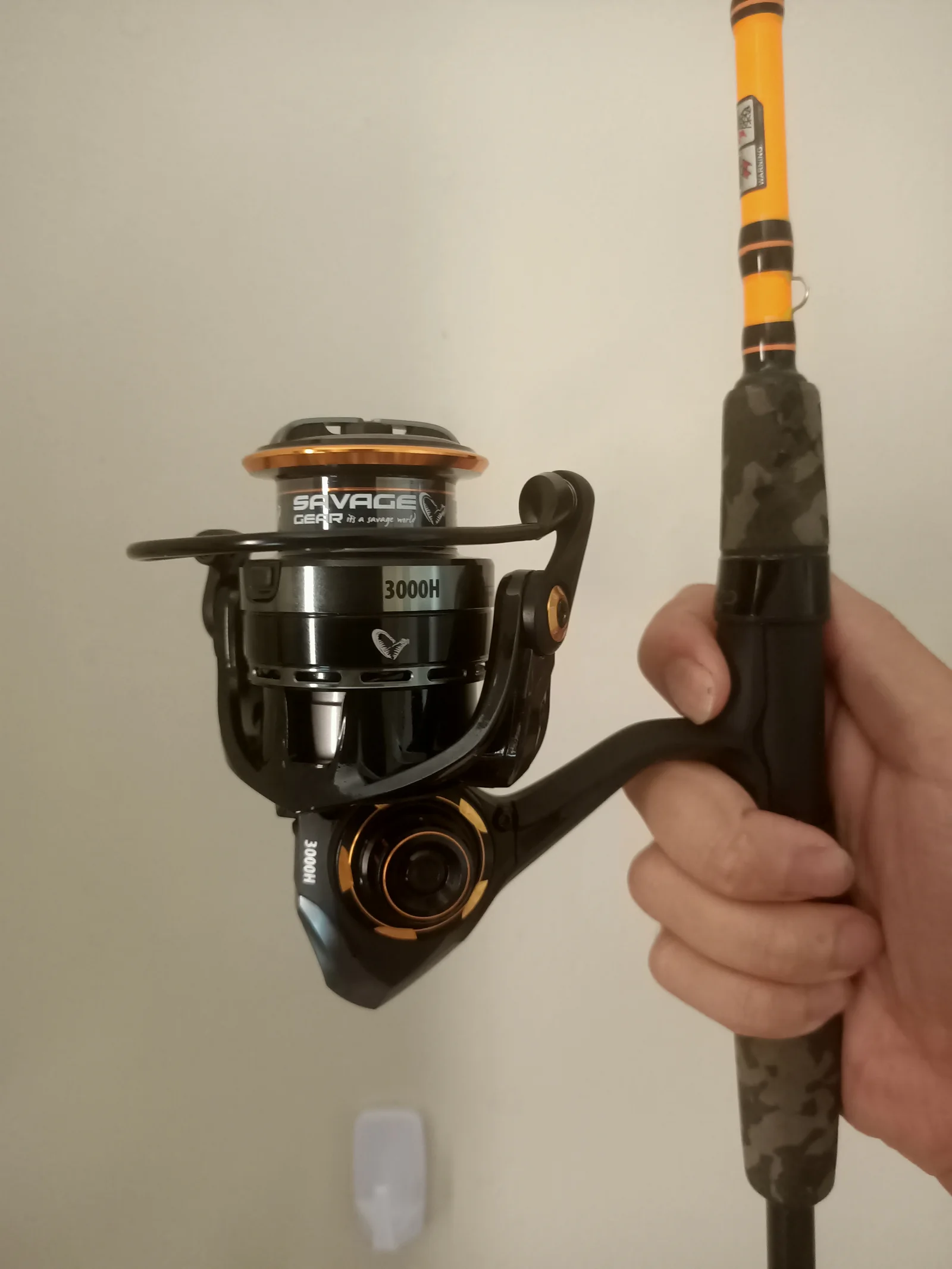
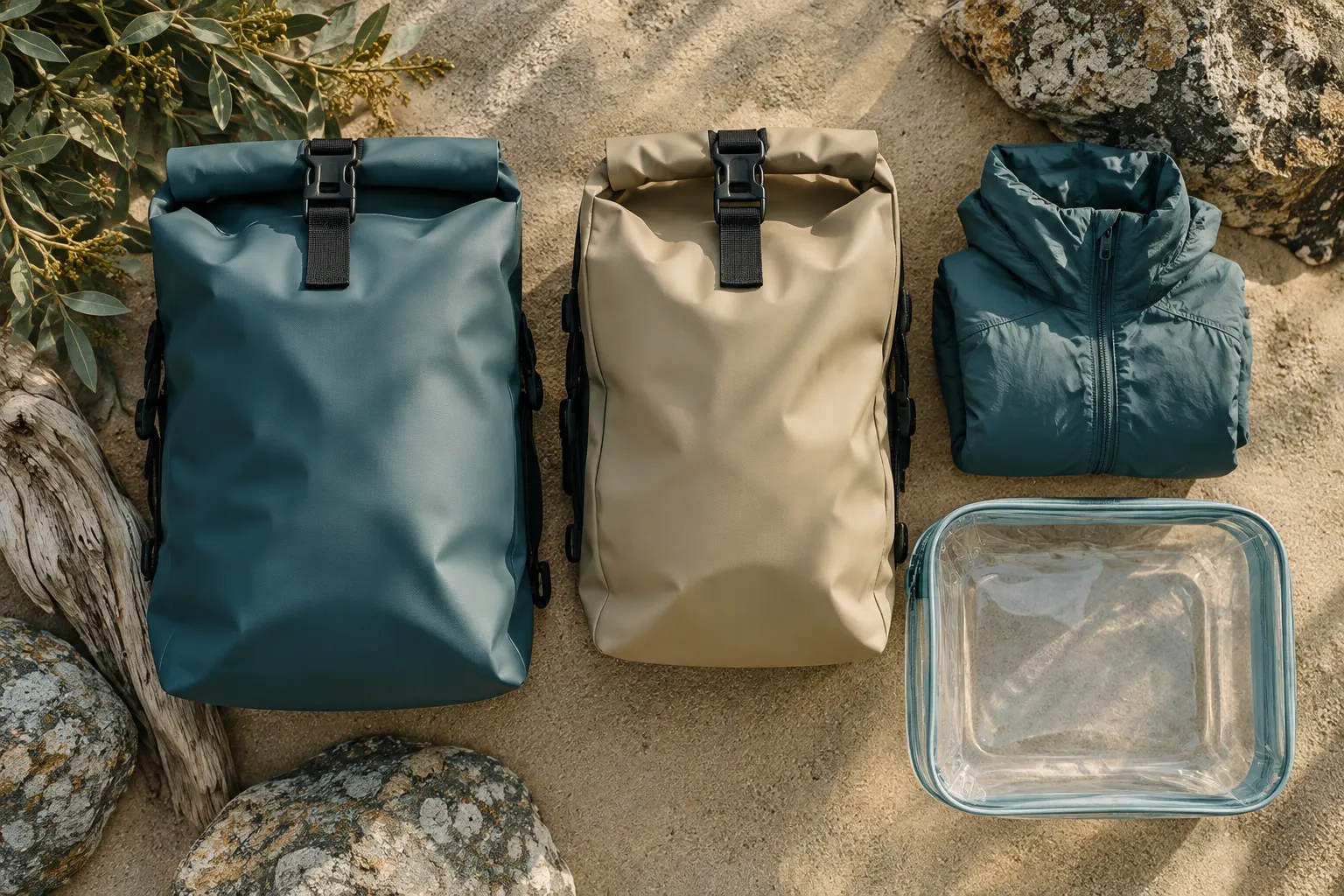
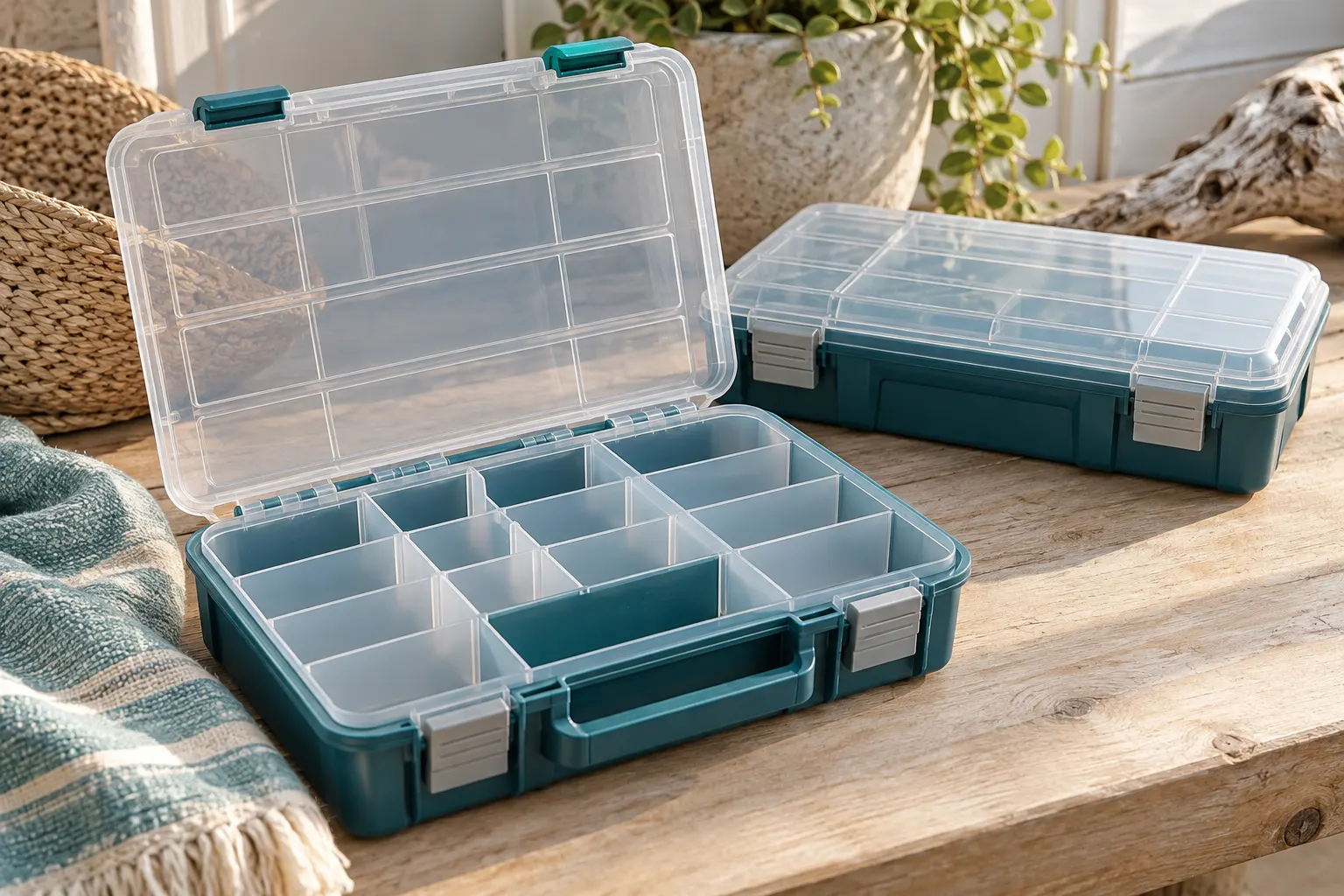
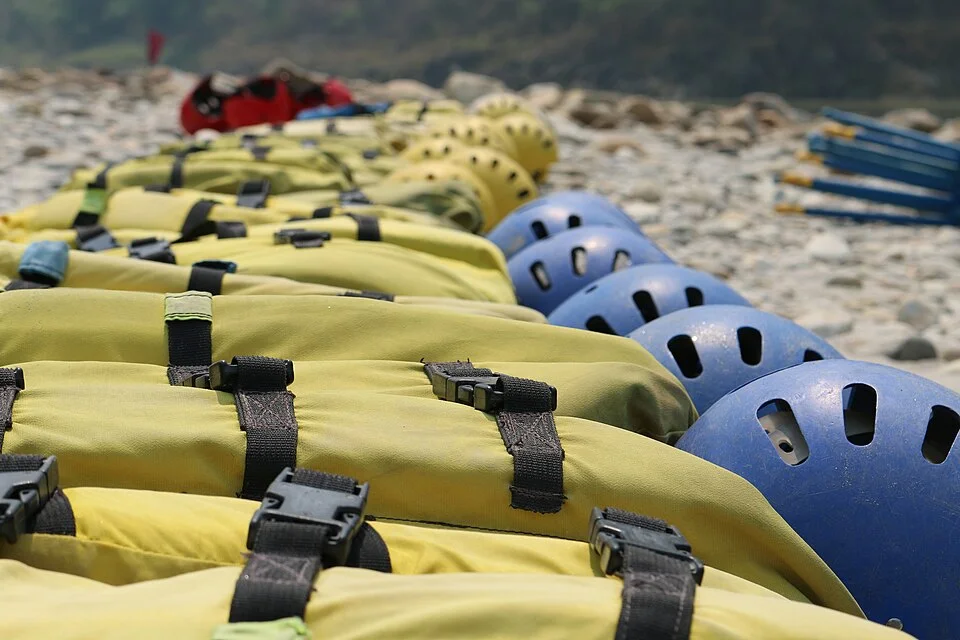
Save the dated item list and total with its intended purpose. When you add a container or remove a component, change the underlying line and recompute rather than editing only the displayed total. The tool clears its previous result after an input changes so an old number is not presented as current. Compare the finished measured item with the relevant instructions and conditions through the appropriate supplier or authority. The diagrams explain addition and unit conversion only, and the actual photographs show equipment context rather than a verified packed set. A well-kept ledger makes omissions visible while leaving safety, capacity and transport acceptance to the separate evidence those decisions require.
Open official source ? Open official source ?