Measure a tackle box and its usable compartments
Measure the outer box and the actual usable compartments separately, preserving the closed arrangement.
Updated:
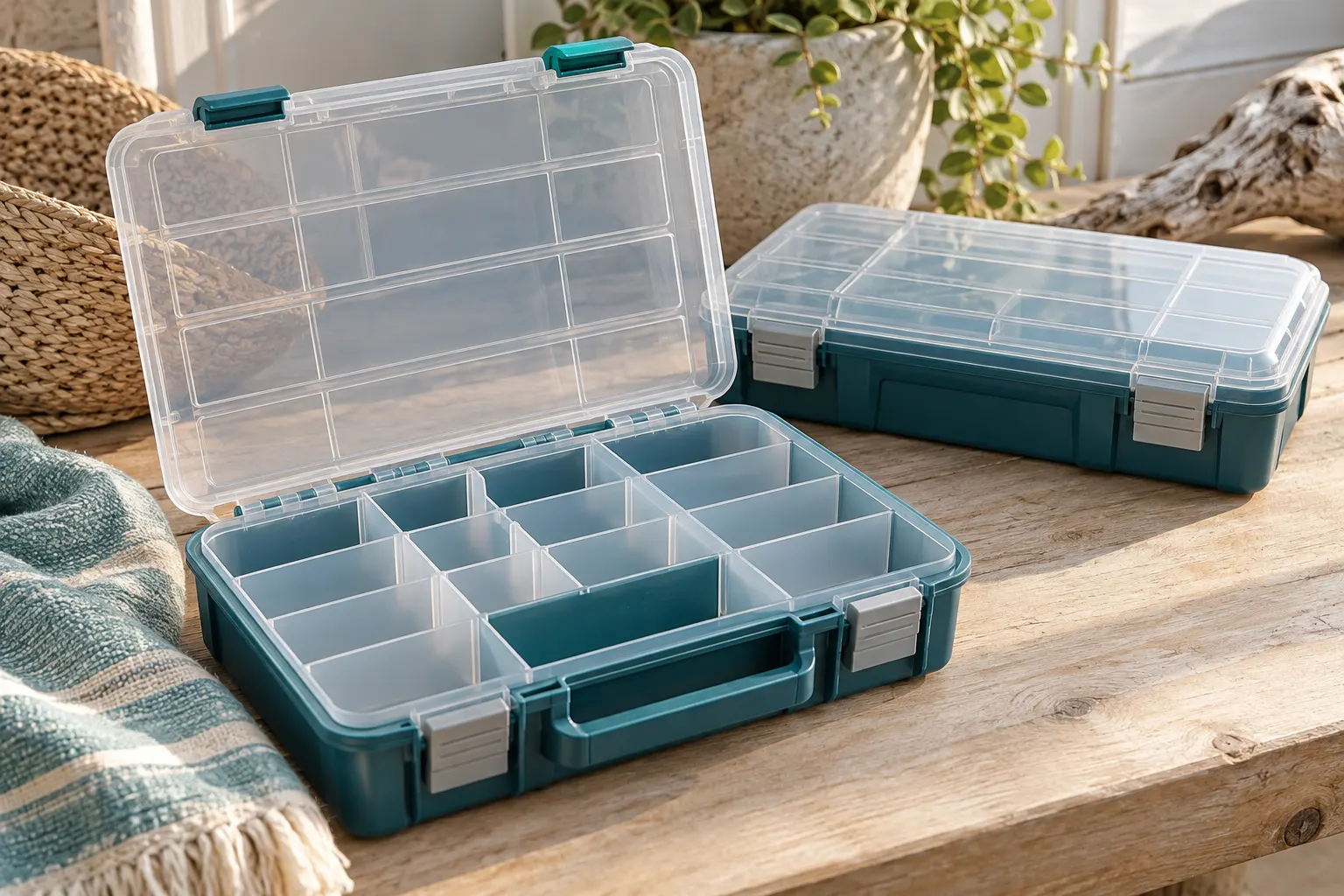
Start with the closed external envelope
For a tackle box, the external size answers a different question from the usable compartment size. Record the exact box version, closed arrangement and any protruding hinges, handles or latches. Compare that envelope with the storage space you actually intend to use. A product photograph may omit the way a handle projects or a latch opens. Ask for the dimension headings and measurement method before using a rounded listing value. If the box must sit within another container, preserve the latter’s internal measurement separately. A positive difference on one side does not establish a complete fit or permission to force the lid shut.
NIST exact international length factor ? Sea to Summit waterproof scope ?
Measure compartments as their own spaces
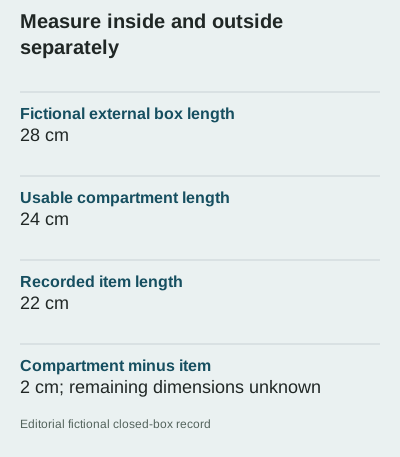
Removable dividers and tapered walls can make the internal arrangement different from the outer shell. In a fictional example, a box measures 28 cm externally, while one usable compartment measures 24 cm long with its divider in the documented position. A separately recorded item is 22 cm long, leaving a 2 cm one-direction difference within that compartment. The widths, depth, corners and closure still need their own evidence. These figures are not specifications of a named box or a handling instruction for hooks. Use packaging, protected items or supplier information where direct inspection would expose sharp components, and leave uncertain dimensions unconfirmed.
Do not infer protection from a latch
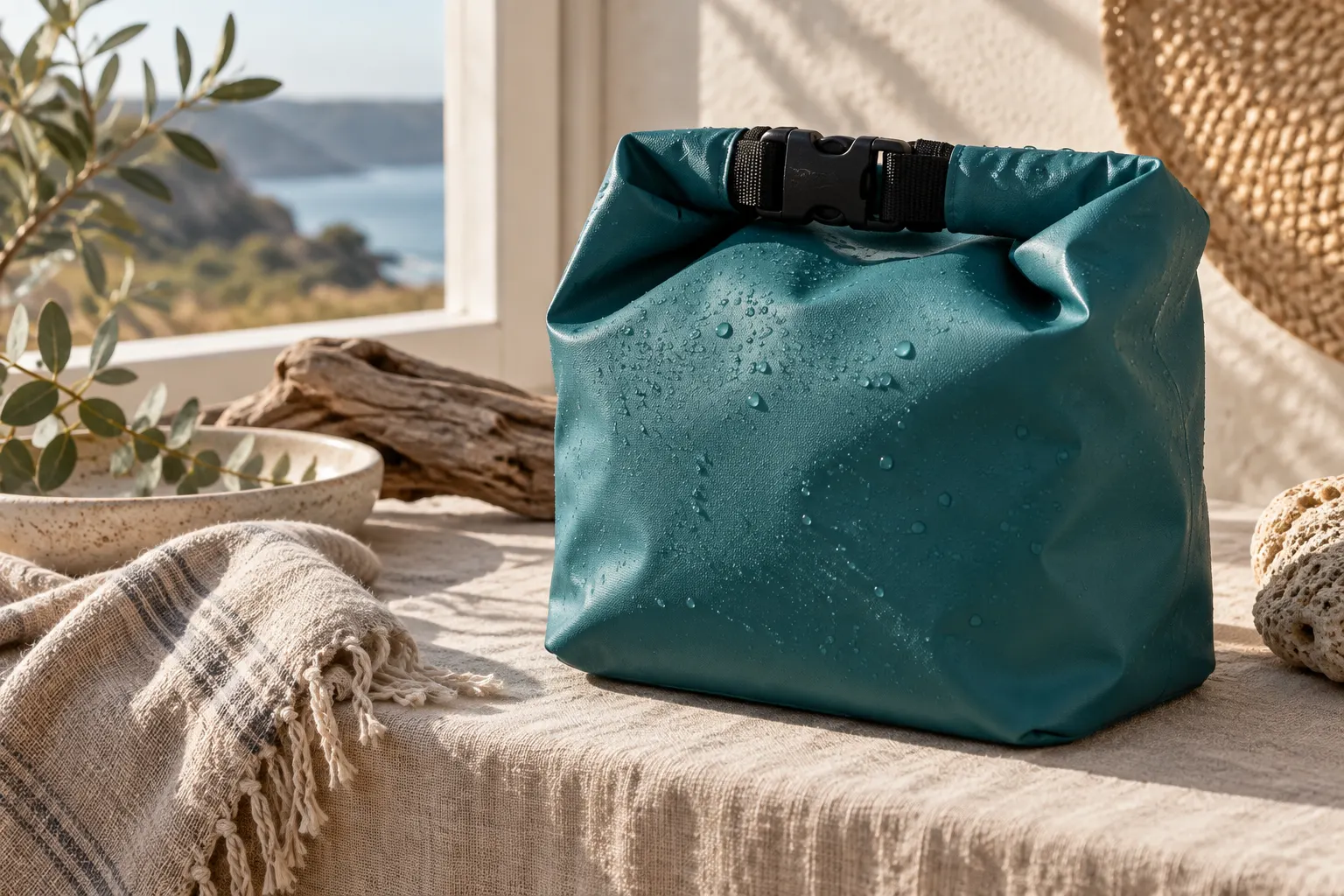
A firmly closed-looking box is not automatically waterproof. Read the maker’s intended use, seal and closure guidance for the exact product. Sea to Summit’s broader explanation of waterproof equipment is a useful reminder that material and closure claims have distinct scopes; it is not a rating for an unrelated tackle box. Do not transfer a dry bag’s fabric number, an electronics case’s test or another model’s depth claim into this record. If the seller only says weather resistant, retain that wording and ask what applicable evidence supports it. A compartment measurement cannot answer whether moisture will enter or how a particular item should be stored.
Record the actual inventory without overfilling claims
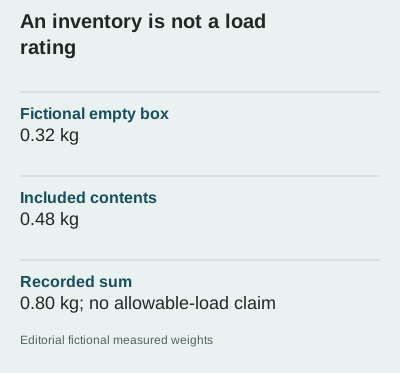
Keep a list of included items and their protected arrangement rather than a claim that a box holds an arbitrary number of lures. Lure shapes, packaging and dividers change the result. In a fictional measured inventory, an empty box weighs 0.32 kg and its separately weighed included contents 0.48 kg, giving 0.80 kg. That is an arithmetic packing record, not an allowable load or a suggestion that the box should be filled to that weight. Record excluded items and use the same units throughout. A label on the storage shelf can identify the arrangement, while the detailed inventory stays with the equipment file.
Make the order specific enough to check
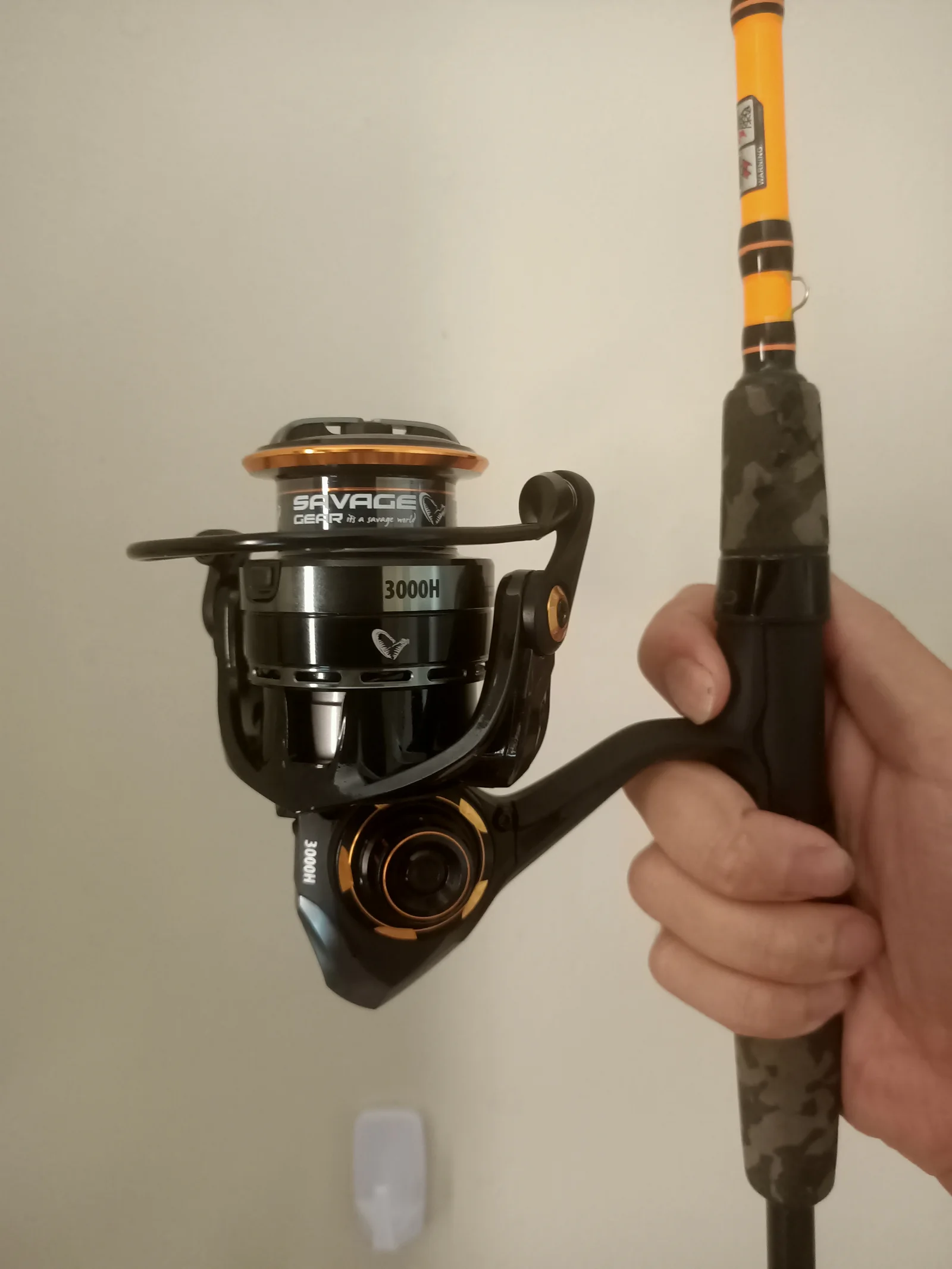
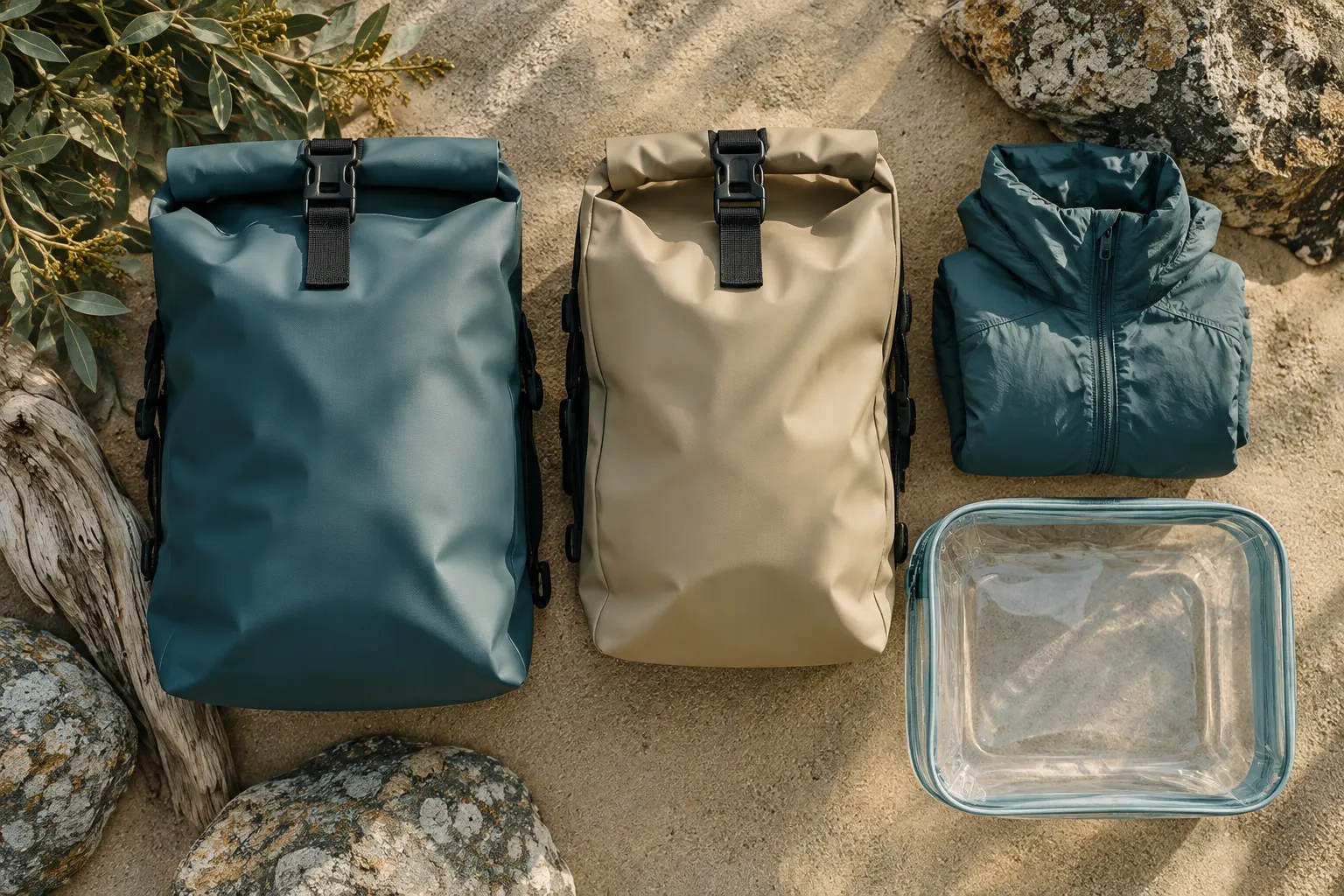
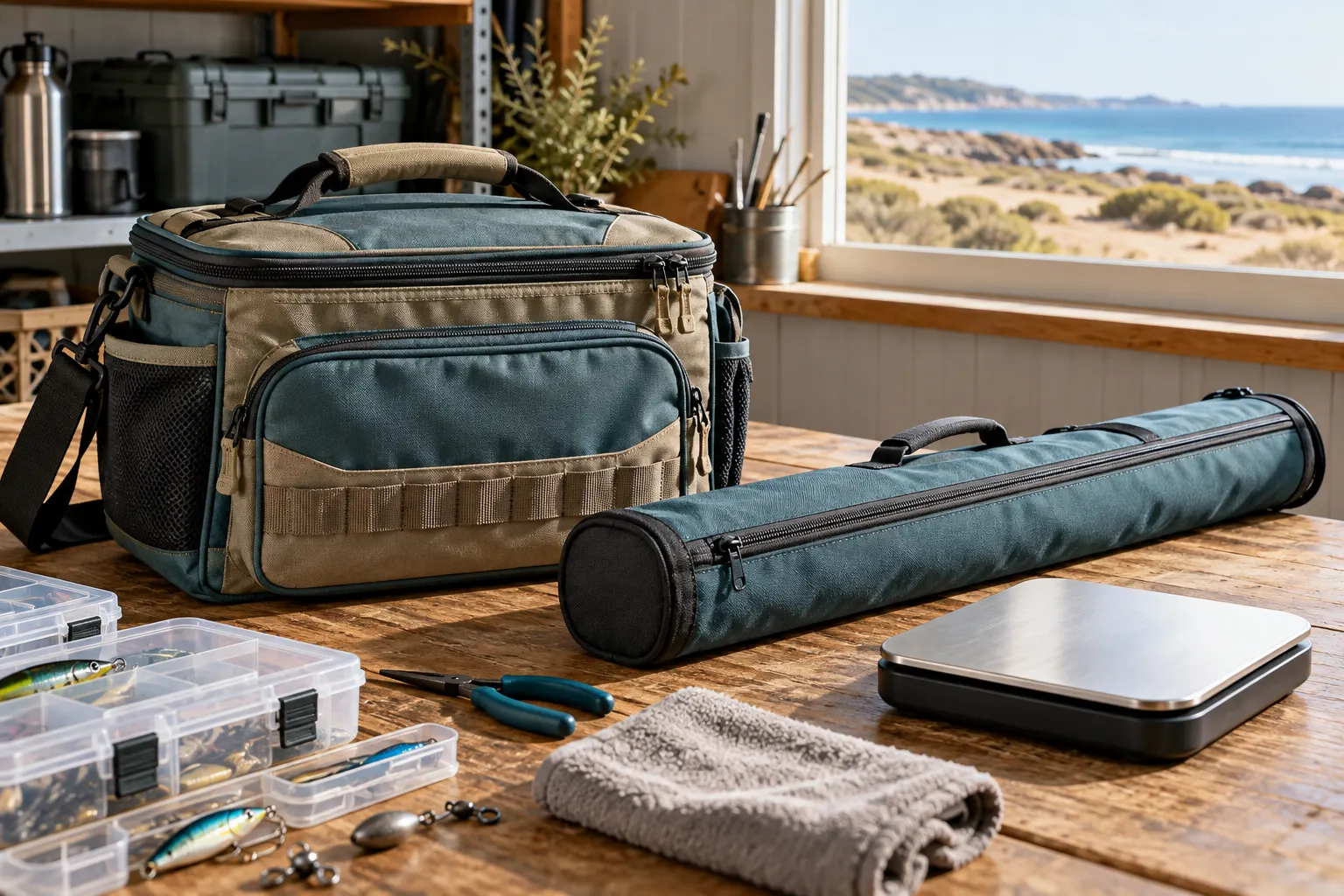
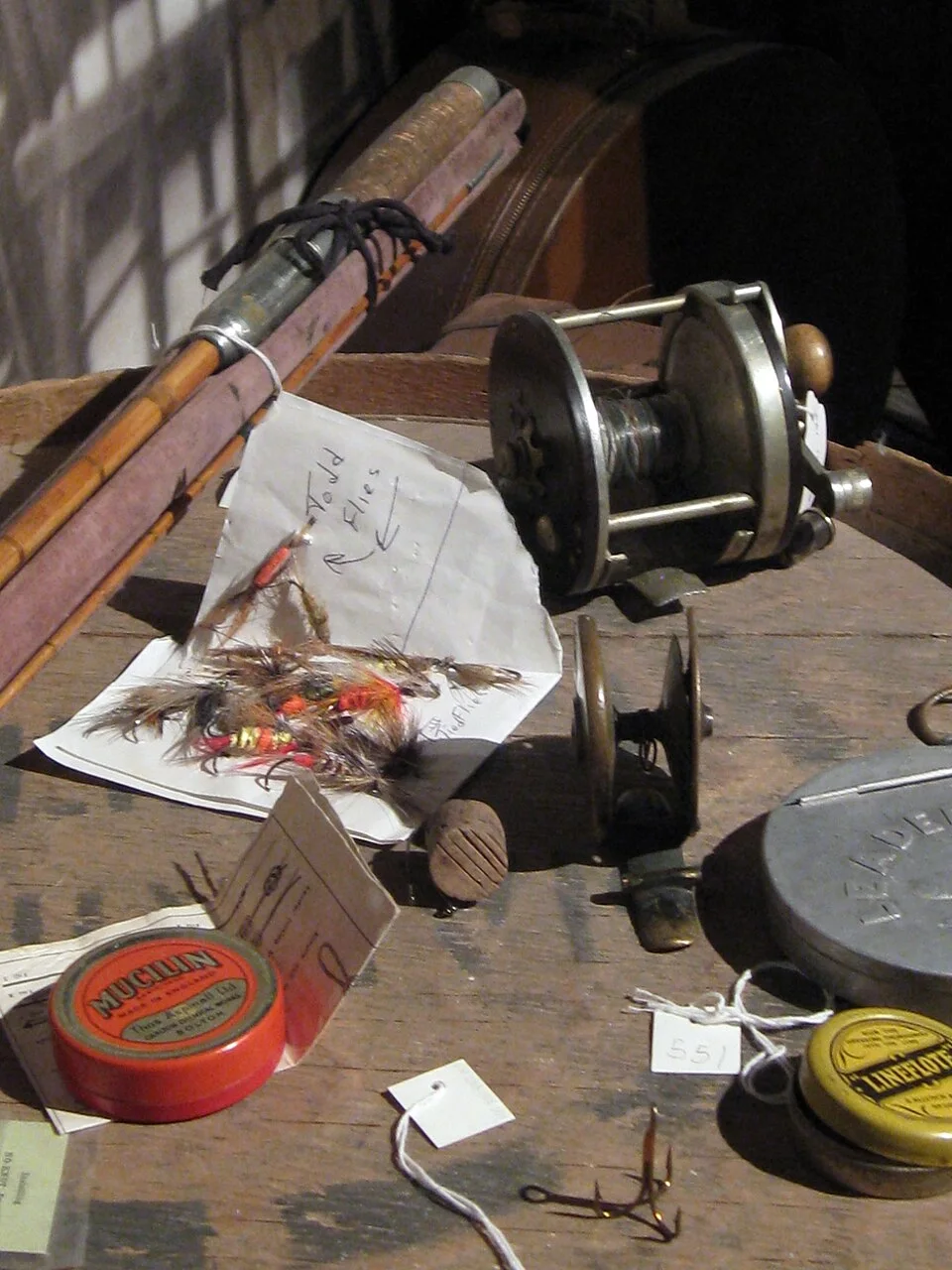
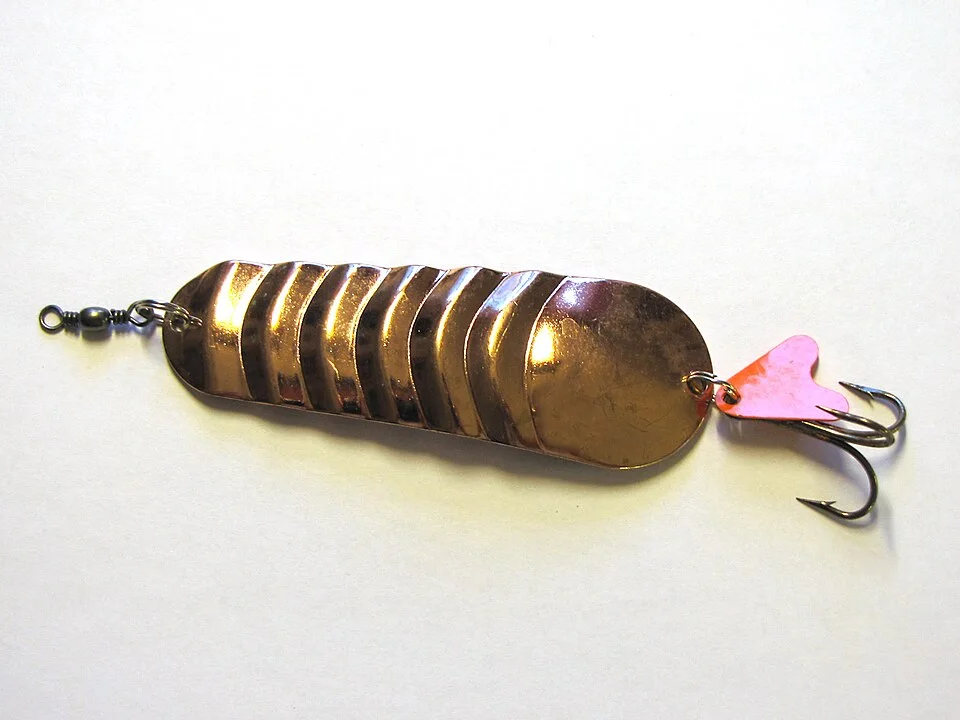
Ask the seller to confirm the version, supplied dividers, usable dimensions you need and any protection claim that affects the purchase. Save their response with the order and compare the delivered contents before moving equipment into the box. If dimensions are close, inspect the actual arrangement instead of relying on a scaled photograph. The figures use fictional dimensions and weights; they do not establish the fit or protection of a product for sale. The real photographs show separate fishing components and archival storage context, not a tested tackle-box layout. Update your record if dividers or contents change so a previously observed arrangement is not mistaken for the current one.
Open official source ? Open official source ?